What Are the Best Privacy Plants for Toronto Backyards?
The best privacy plants for Toronto backyards usually include Eastern white cedar, emerald cedar, yew, spruce, serviceberry, viburnum, hydrangea, and ornamental grasses. The right choice depends on whether you need year-round privacy, fast growth, shade tolerance, narrow spacing, or a more natural mixed border. For most GTA homes, a mixed planting often performs better than using only one plant type across the entire fence line.
Are Cedars Good Privacy Plants in Toronto?
Yes. Cedars are one of the most popular privacy plants Toronto homeowners use because they are evergreen, narrow, dense, and effective for fence-line screening. Cedars need proper spacing, drainage, and watering during the first year. If nearby sprinkler coverage is uneven, review why some lawn areas stay dry even with sprinklers before planting a new hedge.
What Privacy Plants Work Best in Shade?
For shaded Toronto backyards, yews are one of the strongest evergreen privacy options. They tolerate more shade than many cedars and can be clipped into a clean hedge. Other shade-tolerant choices may include serviceberry, certain viburnums, hydrangeas, and shade-friendly shrubs depending on soil moisture and available space. Deep shade under large trees is harder, so plant selection and soil preparation matter.
What Privacy Plants Are Best for Small Toronto Yards?
Small yards usually need privacy plants that stay narrow and structured. Emerald cedar, upright yew, columnar juniper, compact serviceberry, and clipped shrub hedges can work well where space is limited. Avoid planting large trees too close to fences, foundations, patios, or utilities. A professional planting services Toronto plan can help choose plants that fit the yard at mature size, not just at installation size.
What Privacy Plants Are Best for Large Backyards?
Larger Toronto backyards can use bigger privacy plants such as spruce, pine, cedar groupings, serviceberry, lilac, viburnum, and layered shrub borders. A large yard does not need a straight wall of one plant. Mixing evergreens, flowering shrubs, and small trees creates better texture, seasonal interest, and resilience if one plant type struggles.
How Far Apart Should Privacy Plants Be Spaced?
Spacing depends on the plant species, current size, mature width, and how quickly you want privacy. Cedars are often planted closer for a fast hedge, while larger trees and shrubs need more room for airflow and healthy roots. Planting too tightly may look full at first but can cause thinning, disease, and competition later. For cedar hedges, spacing often falls around 2.5 to 4 feet on centre, depending on plant size and goal.
Do Privacy Plants Need Irrigation?
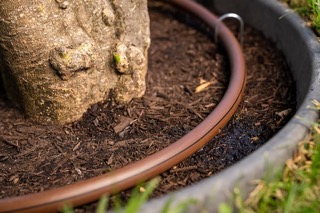
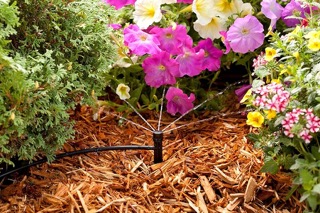
New privacy plants need consistent watering during their first growing season, especially cedars and evergreens. Drip irrigation or carefully adjusted sprinkler zones can help, but plants and lawns often need different watering schedules. For budgeting, see how much it costs to water a lawn in 2026. If the system has weak output, check causes of a low pressure sprinkler system.
What Privacy Plants Handle Wet or Poorly Drained Soil?
Poor drainage can damage many common privacy plants, especially cedars planted in soggy soil. If the planting area stays wet after rain, fix drainage before installing a hedge. Some shrubs tolerate moisture better than others, but standing water around roots is still risky. Also check irrigation problems such as sprinkler head leaks, because a leaking sprinkler can keep one planting area too wet.
Should You Use a Mixed Privacy Border Instead of One Hedge?
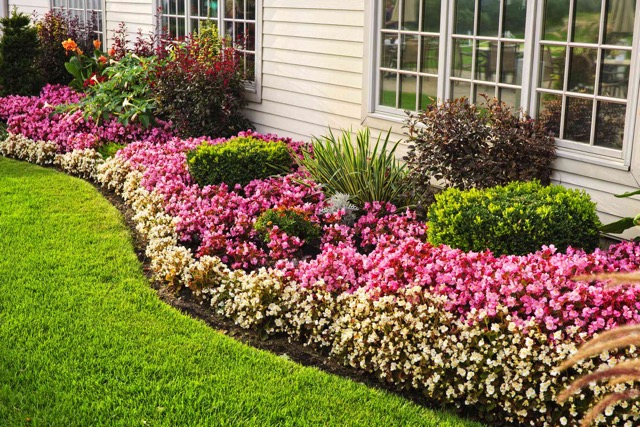
A mixed privacy border is often the best long-term choice. It can combine evergreen screening, flowering shrubs, ornamental grasses, and small trees for year-round structure and seasonal colour. Mixed borders are also less vulnerable than a single-species hedge because pests, disease, salt, shade, or drought are less likely to damage the entire screen at once. This is especially helpful in Toronto backyards with mixed sun and shade.
How Do You Care for Privacy Plants After Installation?
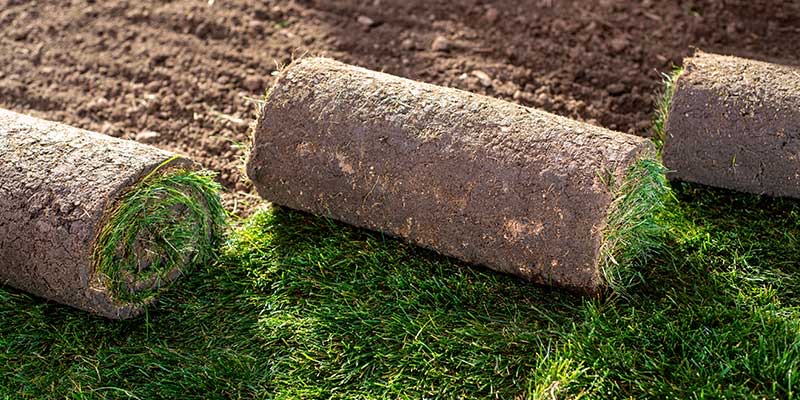
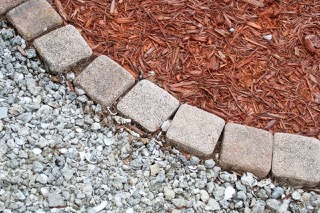
The first year matters most. Water deeply, mulch around the root zone, avoid piling mulch against stems, check for dry edges, and monitor plants during heat waves. New hedges need more attention than established shrubs, similar to the way new turf needs careful early watering. If you are also installing lawn, review how often to water new sod in Toronto so the lawn and privacy plants both establish properly.