How Often Should You Water New Sod in Toronto?
New sod in Toronto should usually be watered immediately after installation, then kept consistently moist for the first 1 to 2 weeks. In warm or dry weather, that can mean watering 2 to 4 times per day during the first week. After the sod begins rooting, reduce frequency and water more deeply. The exact schedule depends on temperature, rainfall, soil type, shade, slope, and sprinkler coverage.
What Should You Do on the First Day After Sod Installation?
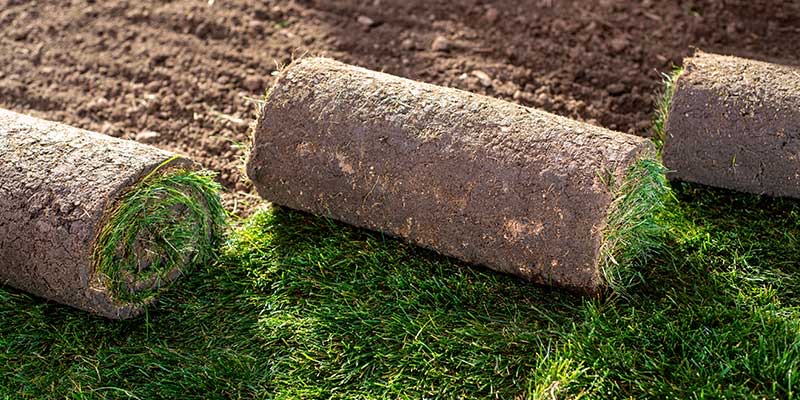
On installation day, water the new sod as soon as possible so moisture reaches through the sod layer and into the topsoil below. The lawn should feel wet underneath when you gently lift a corner. If the underside is dry, the sod can shrink, brown, and struggle to root. For best results after a new lawn installation, review professional sod installation cost and aftercare planning before the work begins.
How Often Should You Water New Sod During the First Week?
During the first week, watering new sod is usually about keeping the surface consistently moist, not flooding it. A common schedule is morning, midday, and late afternoon watering during hot weather. Avoid heavy nighttime watering if the lawn stays wet overnight, because soggy conditions can increase disease risk. In cooler spring or fall weather, fewer watering cycles may be enough.
When Can You Start Watering New Sod Less Often?
You can usually begin reducing watering after the sod starts rooting, often around 10 to 14 days after installation. Gently tug a corner of the sod; if it resists lifting, roots are beginning to knit into the soil. At that point, shift toward deeper watering once daily or every other day depending on weather. The lawn should stay moist below the surface, not just wet on top.
How Long Does New Sod Need Extra Water?
Most new sod needs extra watering for about 3 to 4 weeks, with the first 7 to 14 days being the most critical. After the lawn is rooted, transition toward a normal lawn watering schedule of roughly 1 to 1.5 inches per week, including rainfall. If the sod was installed during hot summer weather, it may need careful monitoring for longer than sod installed in cooler spring or fall conditions.
Can You Overwater New Sod?
Yes. New sod needs moisture, but too much water can cause soft soil, puddles, shallow rooting, fungus, and poor oxygen around the roots. Signs of overwatering include squishy ground, yellowing grass, standing water, and a sour or musty smell. If you are unsure whether the lawn is too wet or too dry, compare the symptoms in this guide to overwatering vs underwatering lawn signs.
What Are Signs New Sod Is Not Getting Enough Water?
Underwatered new sod may look grey-green, wilted, curled, brown at the edges, or separated at the seams. Corners and edges usually dry first, especially near pavement, slopes, fences, and sunny areas. If footprints remain visible or the sod feels dry underneath when lifted, water immediately. Dry sod can decline quickly because the roots have not yet grown into the soil below.
Should You Use a Sprinkler System for New Sod?
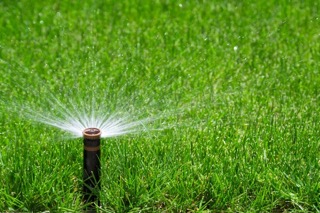
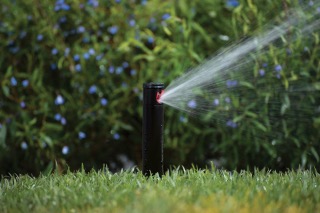
A sprinkler system can make watering new sod much easier, but only if coverage is even. New sod exposes every dry spot quickly, so weak heads, poor spray overlap, or low pressure can create patchy rooting. A sprinkler system service in Toronto can check run times, coverage, heads, pressure, and controller settings before or after sod installation.
How Should You Water New Sod During Hot Toronto Weather?
During hot, sunny, or windy weather, new sod may need shorter watering cycles several times per day to prevent drying. The goal is to keep the sod layer moist while avoiding runoff. Water early, then check the lawn during the afternoon. Areas near driveways, sidewalks, and south-facing slopes may need extra attention because heat from hard surfaces dries sod faster.
When Should You Fix Sprinkler or Drainage Problems Before Installing Sod?
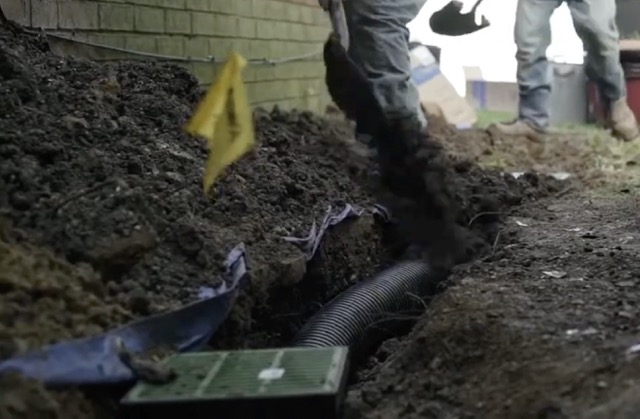
Fix irrigation, grading, and drainage problems before laying sod whenever possible. Low pressure, leaking lines, poor spray coverage, or soggy soil can ruin a new lawn quickly. If the lawn has wet spots, consider drainage solutions such as a French drain system. If sprinkler lines are damaged, schedule irrigation pipe repair before installing fresh sod.