Why Do Some Lawn Areas Stay Dry Even With Sprinklers?
Some lawn areas stay dry because the sprinkler system is not applying water evenly or the soil is not absorbing it properly. Common causes include poor head spacing, blocked nozzles, low water pressure, sun and slope exposure, compacted soil, wind drift, leaking pipes, or incorrect run times. If the same patch dries out repeatedly, the problem is usually coverage, pressure, soil, or drainage rather than the grass alone.
Can Poor Sprinkler Coverage Cause Dry Patches?
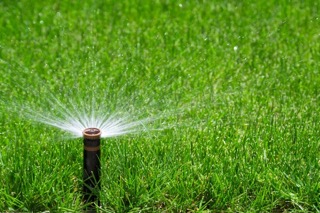
Yes. Sprinklers need proper overlap so water from one head reaches the next head area. If heads are spaced too far apart, pointed the wrong way, blocked by plants, or using mismatched nozzles, dry spots can appear between spray patterns. A professional sprinkler system service in Toronto can test coverage, adjust heads, and correct uneven watering before dry patches spread.
Can Low Water Pressure Create Dry Lawn Areas?
Low pressure reduces spray distance, which means sprinkler heads may not reach their intended coverage area. This often creates dry patches at the edges of zones or between heads. Low pressure can come from too many heads on a zone, partially closed valves, clogged filters, broken heads, municipal pressure changes, or underground leaks. If heads barely rise or spray weakly, review the signs of a low pressure sprinkler system.
Can Clogged or Broken Sprinkler Heads Leave Dry Spots?
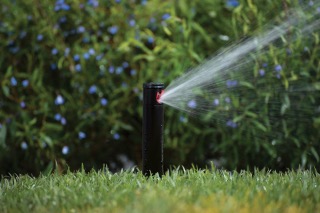
Clogged nozzles, cracked bodies, missing nozzles, stuck risers, and tilted heads can all cause dry patches. A single damaged head may spray sideways, mist poorly, flood one area, or miss another area completely. If the same head keeps clogging or sticking, replacing sprinkler heads may be more reliable than repeated cleaning and adjustment.
Can Compacted Soil Cause Dry Patches Even When Sprinklers Run?
Yes. Compacted soil can make water run off the surface instead of soaking into the root zone. This is common near driveways, walkways, play areas, slopes, and high-traffic lawn sections. The sprinkler may be working, but the water does not penetrate deeply enough. Aeration, soil improvement, grading changes, and broader landscaping improvements can help water reach the roots more evenly.
Can an Underground Leak Cause Dry Patches?
A leaking irrigation pipe can reduce pressure before water reaches the sprinkler heads, causing dry areas even though the system is running. Look for soggy soil, bubbling water, unusually green patches, erosion, or one weak zone compared with the others. If a leak is suspected, schedule irrigation pipe repair before increasing watering time, because longer run times may waste more water.
Can Sun, Wind, and Slope Make Some Areas Dry Faster?
Yes. South-facing areas, slopes, narrow strips, lawn near pavement, and windy corners can dry faster than shaded or flat areas. Water may evaporate faster, drift away from the target, or run downhill before soaking in. These areas may need adjusted nozzles, shorter repeated cycles, better soil preparation, or separate zoning so they do not depend on the same watering schedule as cooler parts of the lawn.
Can Wrong Sprinkler Run Times Cause Dry Patches?
Wrong run times can leave some zones too dry and others too wet. Short watering may only wet the surface, while very long watering can cause runoff before the soil absorbs enough moisture. The best approach is usually cycle-and-soak watering: run a zone briefly, pause to let water absorb, then run it again. This is especially helpful on slopes, clay soil, and compacted lawn areas.
When Are Dry Patches a Sign the Lawn Needs Sod Repair?
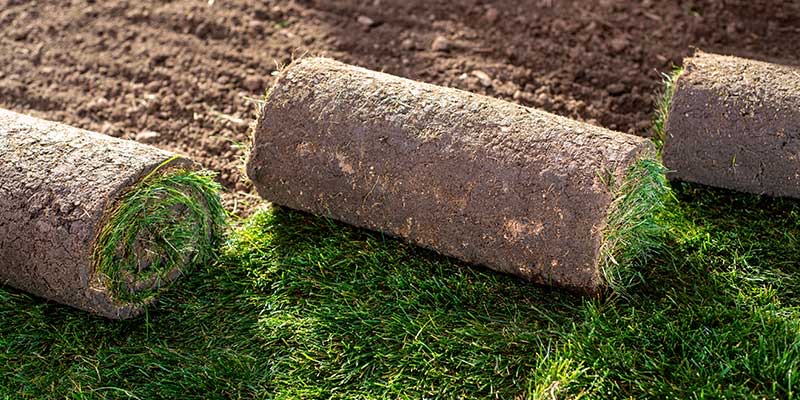
If dry patches have turned into dead turf, bare soil, or weeds, irrigation adjustments may not be enough. Water can help stressed grass recover, but it cannot revive grass that is already dead. If the lawn has repeated damage or thin areas, compare repair options and review sod installation cost before reseeding or patching again.
How Do You Diagnose Dry Patches From Sprinklers?
Run each zone and watch where water lands. Check for weak heads, blocked spray, overspray onto pavement, misting, puddles, dry seams, and uneven spray distance. Then test soil moisture in the dry patch and a healthy area. If the issue appears after irrigation work, outdoor upgrades, or digging, inspect for damaged lines. For larger warning signs, review the top signs your irrigation system needs repair.