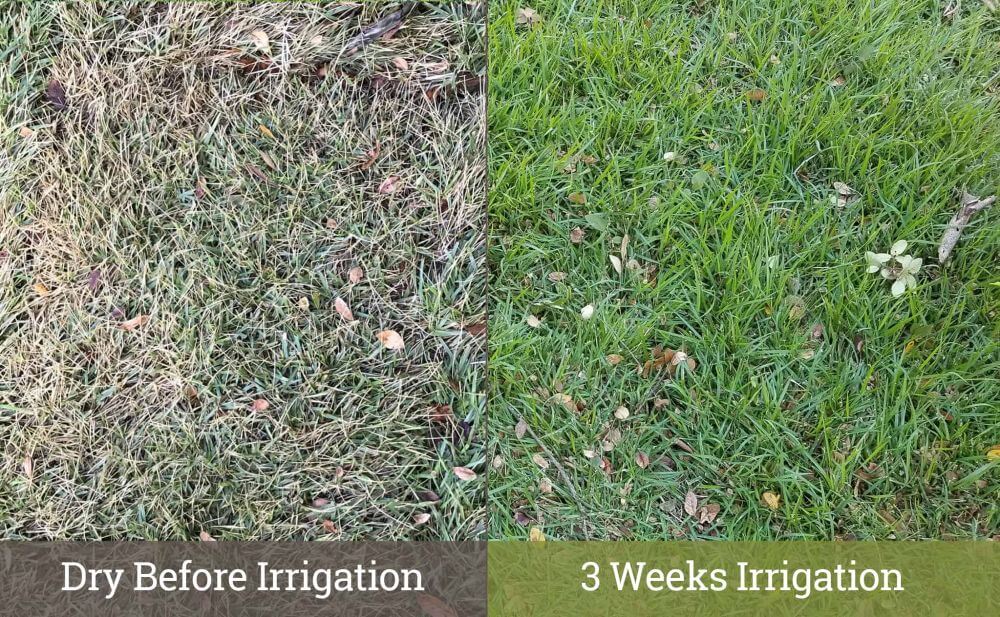
Adjust watering
Too much frequent watering keeps the root zone saturated and weak.
















Squishy sod usually means too much water, poor drainage, soft soil preparation, low grading, or traffic before the lawn has rooted.
Sod is squishy after installation because the soil underneath is too wet, too loose, poorly compacted, or not draining. Some softness is normal during the first watering period, but the lawn should not feel like a sponge or leave deep footprints. In Toronto, clay soil, low backyard grading, overwatering, shaded areas, and poor drainage can keep sod wet for too long. The certain answer is to reduce watering frequency once rooting begins, keep people off the lawn, and check whether water is collecting below the sod. If squishiness comes with standing water, drainage or regrading may be needed.
| Question | Certain Answer |
|---|---|
| Most likely cause | Overwatering, clay soil, low grade, or soft base preparation. |
| Normal softness | Light softness is expected while new sod is watered heavily. |
| Warning sign | Deep footprints, sour smell, standing water, or roots not taking. |
| Best fix | Reduce watering, improve drainage, avoid traffic, and correct low spots. |
Too much frequent watering keeps the root zone saturated and weak.
/how-to-lay-sod-to-start-new-lawns-2132203_Hero1A-339b58bbe9ff4ae98e1d965e0e510ba0.jpg)
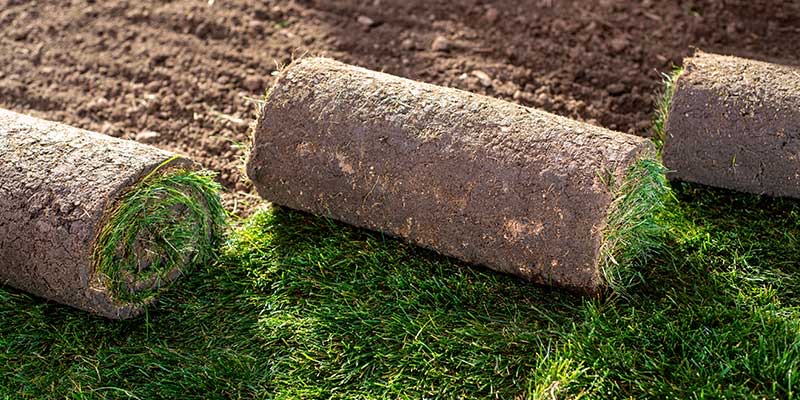
A properly prepared base should be smooth, firm, and not muddy.
Low sections collect water and often stay squishy longer.

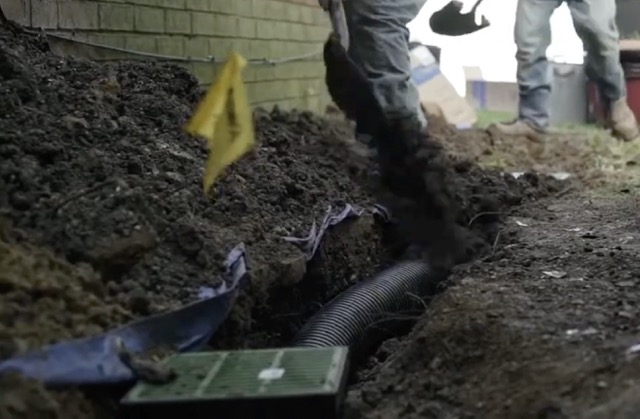
If water cannot leave the yard, sod roots struggle for oxygen.
New sod needs moisture, but roots also need oxygen. Saturated soil can slow rooting and encourage disease.
Clay soil holds water longer than sandy soil, so a fixed daily schedule may be too much in shaded or low areas.
Squishy sod near downspouts, patios, or fence lines often points to grading or drainage, not just irrigation.
If footprints remain after walking, the lawn is too soft for use and should be protected until it firms up.
A little softness is normal; sponge-like soil is not.
No. Check soil moisture first and skip watering if it is saturated.
Yes, saturated roots can decline from lack of oxygen.
Yes, if the cause is standing water or poor slope.
Need help with irrigation, sod, planting, drainage, or lawn problems in Toronto or the GTA? A proper diagnosis can prevent wasted water, dead grass, failed plants, and repeat repairs.
Book Irrigation Services