Due to increasing costs of utilities and the introduction of various water restrictions, water conservation is gradually becoming a necessity for homeowners. In other words, one house can only consume a certain amount of water within a given period of time. However, different studies indicate that traditional irrigation systems tend to waste a lot of water through overwatering, runoff, and poor scheduling – in some cases without the homeowner even realizing it. In short, these systems are not environmentally friendly, hence the needs for eco-friendly irrigation systems. These innovative irrigation systems use water more effectively, at the right time, and in the right amount. Their water savings can be attributed to combination of intelligent irrigating devices such as smart controllers, high-efficiency nozzles, proper zoning, and weather adjustment. Besides, they can also contribute to the green lawn and landscape maintenance indirectly. The article is aimed at introducing methods of conserving water via irrigation, and to highlight the water saving technologies that have the greatest impact. Besides that, it also addresses how to generate water savings through upgrading or optimizing your current system without giving up on a great looking landscape.
What Makes an Irrigation System Eco-Friendly?
An irrigation system is eco-friendly if it is designed to minimize water waste and provide irrigation output that is in line with the actual needs of the landscape. A traditional sprinkler system for an average residential lawn may use 3,000–5,000 gallons of water per week, with 30–50% of the water being lost due to runoff, overspray, and poor scheduling. Eco-friendly systems increase efficiency by doing proper zoning, which means dividing the whole property into 6–12 zones according to plant type, sun exposure, and soil conditions so that each area gets only the amount of water it needs. Using high-efficiency nozzles and having drip zones can save between 1,000 and 2,000 gallons of water per month. Smart irrigation controllers like Hunter Hydrawise, Rain Bird ESP-TM2, and Hunter X2 adjust watering times automatically based on weather, rainfall, and evapotranspiration data, which can result in 20–30% annual reduction of outdoor water usage. Moreover, when these are used in conjunction with rain sensors and moisture-based scheduling, eco-friendly irrigation systems have the potential to decrease the total water consumption by as much as 40%, and at the same time, the turf and plant growth stays healthy.
How Eco-Friendly Irrigation Systems Reduce Water Waste?
Eco-friendly irrigation systems mainly work to save water by tackling the inefficient areas of the typical systems – overspray, runoff, evaporation, and overwatering. As old-style sprinklers have fixed schedules and their design is often faulty, the water applied to plants can be lost for 30–50% due to these reasons alone. Eco-friendly watering systems use pinpoint watering methods that are combined with slower watering rates and adjustments made in real time so that water is not only used where it is needed but also when it is needed. The use of proper head spacing, matching the precipitation rates, and pressure regulation are some of the measures that are taken to minimize runoff and misting. Furthermore, the separation of turf, garden beds, and shrubs into different zones will ensure that each area gets watered with the right amount. Together, these factors can result in a saving of 40% of water used outdoors, which means thousands of gallons per season can be saved without the need to sacrifice plant health.
The Role of Smart Controllers in Water Conservation
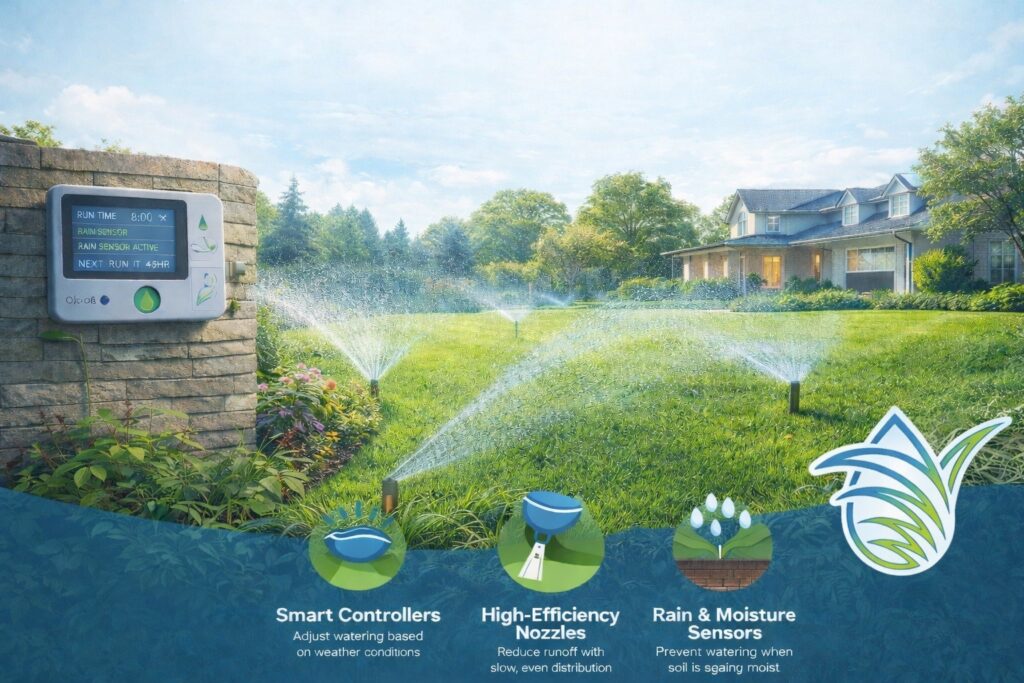
One of the primary means by which smart irrigation controllers help save water is their ability to modify watering schedules based on weather characteristics instead of using fixed timers. Conventional controllers typically operate according to preset schedules without any consideration for rain or cool weather conditions, thus resulting in large amounts of water being wasted. Smart controllers are programmed to obtain rainfall, temperature, humidity, and evapotranspiration data and use them to compute the exact water volume needed for irrigation. According to studies, weather-based controllers have the potential to help reduce outdoor water consumption by 20-30% per year. Besides, many carriers allow changes per zone, thus different types of plants getting accurate water minutes. By doing away with guesswork and mistakes that humans make, smart controllers are a great water saver as well as a consistent care of the landscape.
How High-Efficiency Nozzles Cut Water Use by Up to 40%
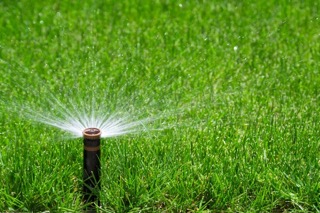
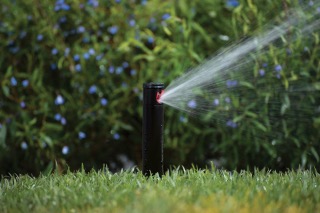
High-efficiency irrigation nozzles are engineered to distribute water more uniformly and still at lower precipitation rates compared to conventional spray heads. Regular spray nozzles usually deliver water at a rate faster than the soil can absorb, thus, runoff and water waste are the results. High-efficiency nozzles cut precipitation rates by 30–50%, which in turn lets water penetrate the soil more deeply. Besides, they also generate bigger droplets which reduce wind drift and evaporation.
In a good number of residential systems, a simple change from old-fashioned spray nozzles to high-efficiency ones might result in water savings of 1,000–2,000 gallons per month during the peak irrigation season. If the use of high-efficiency nozzles is coupled with correct pressure control and proper zoning, the nozzles themselves can make a big impact on the total water savings.
Why Rain and Soil Moisture Sensors Matter?
Different kinds of sensors are used to control irrigation systems efficiently thus preventing them from watering when it is not required. Rain sensors detect rain and help to shut off the irrigation system automatically thus no irrigation is done during and immediately after storms. Moisture sensors in the soil also help watering. They measure the water content of the soil and only when the preset limits are reached, they allow irrigation. A study has revealed that water wastage can be saved by using sensors to a maximum of 25% of the total water used every year if the unnecessary watering cycles are completely eliminated. Moreover, these gadgets are extremely helpful in areas where it rains irregularly and it is thus difficult for people to make manual adjustments to the watering schedule. Because sensors are capable of giving a response to the actual change of the environment and the soil, they prevent the soil from getting water more than is necessary by the plants. They also prevent the soil and the air from getting water more than is necessary by the plants.
Drip Irrigation vs Traditional Sprinklers: Which Uses Less Water?
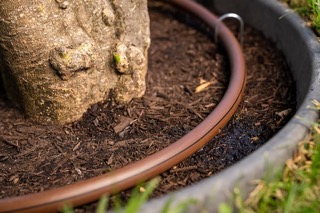
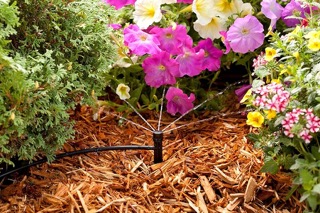
Drip irrigation systems use water more efficiently than conventional sprinklers as they deliver water directly to the root zones of plants. Typically, the efficiency of traditional sprinkler systems is in the range of 50–65%, whereas the efficiency of drip irrigation systems can be as high as 90–95%. Controlled slow and accurate water application is the basis for drip systems which help minimize evaporation, runoff, and overspray. Thus, they are perfect for planting flower beds, shrubs, trees, and even narrow planting areas. Drip irrigation can reduce water consumption in the range of 30–60% versus standard sprays in landscaped areas. Although not suitable for the turf, drip irrigation systems are among the best environmentally friendly irrigation options for non-lawn areas.
Zoning and Proper System Design for Maximum Efficiency
Correct zoning plays a pivotal role in the environmental friendliness of an irrigation system, as various plants vary in their water needs. It is not advisable for turfgrass, shrubs, flowers, and trees to share the same watering zone. A typical smart home system is designed to have 6-12 zones, where each zone is adjusted to the plant type, sun exposure, soil condition, and slope. Without proper zoning, some parts of the land are likely to be overwatered, while others are under watered. Systems can cut down extra watering by 15-30% simply by watering only those plants with similar needs. Good layout also guarantees proper head distance and matched precipitation rates, thus saving even more water and getting uniform water distribution.
Seasonal Adjustments That Prevent Overwatering
Seasonal adjustments in irrigation are very important to avoid wasting water during the whole year. Temperatures vary a lot between spring, summer, and fall, and there is natural rainfall. So the water needs of plants are different. When a system is set to a summer schedule all the time, it usually leads to an overwatering during the cooler months by 20–40%. Green irrigation systems modify the length of the watering time according to the seasonal evapotranspiration rates, thus watering the plants less often in spring and fall. Smart controllers do these adjustments automatically while manual ones need to be changed regularly. Not only does seasonal tuning keep the landscape in good condition without the use of unnecessary water, but it also helps to prolong the life of the irrigation parts by reducing the frequency of running the system excessively.
Environmental Benefits Beyond Water Savings
Eco-friendly irrigation systems offer a wide range of environmental benefits in addition to saving water. When runoff is decreased, less soil is washed away and fewer fertilizers and chemicals leak from storm drains into lakes and rivers. A lower need for water decreases the pressure on public water services and also the energy required to treat and pump water. When plants are watered efficiently, they develop stronger root systems, which leads to healthier plants and less need for chemical fertilizers and pesticides. Research indicates that properly managed irrigation can halve the amount of nutrients washed away. Such a mix of advantages, in turn, results in greener urban areas and more eco-friendly residential and business setbacks.
Is Eco-Friendly Irrigation Worth the Investment?
Green irrigation systems usually mean spending more money at the beginning, but the savings in the future generally cover the extra costs. People can cut their outdoor water consumption by 20–40%, which leads to significant savings on water bills. Some changes, like changing to high-efficiency nozzles or smart controllers, carry comparatively low installation costs and offer quick payback periods. Generally, homeowners start to enjoy financial profits within 1–3 irrigation seasons. Furthermore, a better system efficiency leads to less component wear, thus maintenance and repair costs can be dropped over time. Putting together water savings, system durability, and environmental benefits, green irrigation systems are a good value in the long run.
How to Upgrade an Existing Irrigation System to Be More Eco-Friendly?
Water-saving upgrading an existing irrigation system does not necessarily entail a total replacement. Just a few changes like putting in high-efficiency nozzles, installing rain sensors, and making zoning adjustments can help cut down water use quite a bit. Simply changing a conventional controller to a smart one can slash outdoor water consumption by 20-30% only. Pressure control and leak repair can save a considerable amount of water that is lost due to leaks, to the tune of thousands of gallons per water season. An irrigation audit can reveal inefficiencies resulting from incompatible heads, improper spacing, etc. Phased improvement projects enable homeowners to raise the efficiency of their systems little by little while keeping the expenditures under control.
Common Mistakes That Lead to Water Waste
Restoring a water system is one of the main reasons water gets wasted. A dripping valve, broken sprinkler, or blocked nozzle can release hundreds of gallons in water if not fixed. Running irrigation systems too long and using a set schedule without considering the weather cause too watering. Wrong selection of sprinkler heads, mixing different types of plants in the same area, and setting the water pressure too high or too low, all make the system less efficient. A large number of installations are done correctly, but over time, as the plants grow, they are not adjusted. Regular checks and seasonal changes are necessary to save water and keep the irrigation system working at its best.
Eco-Friendly Irrigation for Toronto and the GTA Climate
Toronto and the GTA experience variable weather conditions, including heavy spring rainfall, hot summers, and cooling fall temperatures. Irrigation systems that fail to adapt to these changes often overwater by 25–35% annually. Eco-friendly irrigation systems are especially effective in this climate because they adjust to rainfall patterns and temperature fluctuations. Smart controllers and rain sensors prevent unnecessary watering during wet periods, while efficient zoning supports drought-tolerant planting designs. With rising water costs and seasonal watering restrictions, eco-friendly irrigation is a practical solution for maintaining healthy landscapes while reducing water consumption in the GTA.
How Much Water Can an Eco-Friendly Irrigation System Save?
Outdoor water use with eco-friendly irrigation systems can be lowered by 20 to 40%, depending on the system layout and improvements made. If a normal house consumes 3,000-5,000 gallons of water weekly, it is equivalent to a saving of 20,000-40,000 gallons annually.
Is It Possible to Make My Existing Irrigation System More Environmentally Friendly?
Yes, the majority of current systems are capable of being enhanced by means of attaching high-efficiency nozzles, implementing smart controllers, adding rain sensors, and making proper zoning adjustments. Small upgrades alone are capable of cutting down water use by 15-30% even without changing the whole system.
Do Eco-Friendly Irrigation Systems Work in Drought Conditions?
Eco-friendly systems excel at drought situations because they mostly water the plants that need it only and very precisely. By using drip irrigation, smart scheduling, and moisture sensors, they guarantee the water is used at its maximum potential which in most cases can cut usage by 30% or even more when there are limitations.
How Long Does It Take to See Water Bill Savings?
Most homeowners start to notice that their water bills are lower from the very first season of irrigation after they have done the upgrades. Changes that are good for the environment and can save a lot of money, in many cases, the money spent on these changes will be back in your pocket within one to three years due to the savings on water bills.