Detecting a leak in an irrigation system is based on locating irregular hydraulic behavior and water consumption that are not accounted for, finding physical signs in the landscape, and then component-wise system isolation in a methodical way. Non-visible irrigation systems are meant to be closed, pressurized networks, and any opening that is not intended will let the water flow out. One of the very first questions in a leakedetection case is What is a leak in an irrigation system? A leak is the situation when there is a loss of water from supply lines, valves, fittings, sprinkler heads, or drip components that have happened unintentionally and the system is either operating or shut off. This loss happens because of mechanical damage, wear, manufacturing failure, improper installation, or environmental conditions that affect the integrity of the piping network.
Detecting a leak in an irrigation system is based on locating irregular hydraulic behavior and water consumption that are not accounted for, finding physical signs in the landscape, and then component-wise system isolation in a methodical way. Non-visible irrigation systems are meant to be closed, pressurized networks, and any opening that is not intended will let the water flow out. One of the very first questions in a leakedetection case is What is a leak in an irrigation system? A leak is the situation when there is a loss of water from supply lines, valves, fittings, sprinkler heads, or drip components that have happened unintentionally and the system is either operating or shut off. This loss happens because of mechanical damage, wear, manufacturing failure, improper installation, or environmental conditions that affect the integrity of the piping network.
How can a homeowner or a technician be sure that the water loss is coming only from the irrigation system?
The most accurate factual method for confirmation is the water meter test. A water meter records the total flow through the property’s potable water supply. When all indoor and outdoor fixtures are turned off and the leak indicator is still moving, it shows that there is a continuous water flow. It is a very definitive test to close the irrigation shutoff valve and see if the leak indicator is moving as well. The factual interpretation is that the irrigation system is the source of the leak if the indicator stops after the irrigation shutoff valve is closed. This method is the standard one in water utility diagnostics and irrigation service practices.
What is zone isolation?
Zone isolation means operting only one irrigation zone at a time or opening one valve at a time manually and checking each section of the system for its behavior. Irrigation zones are the independent hydraulic circuits which are controlled by valves, and if there is a leak in one zone only, the symptoms will be different and unique to that particular zone. A zone which is working normally has full pressure, all the sprinkler heads are popping regularly, rotors are rotating normally and there is uniform distribution pattern. A zone with a leak is likely to show pressure loss, weak coverage, irregular spray patterns, or even heads that are barely rising. These are the real hydraulic consequences of a pressure drop that was caused by water escaping through a breach.
Why is the ground always wet even when the system is off?
The truest definition of this condition is that it stands for nonstop leakages from either lateral line, a fitting, or a valve that is not closing fully. When irrigation is off, soil should not be saturated unless there has been some rainfall. Constant saturation at a certain spot is a sure sign of underground water movement. The additional visible symptoms like soil erosion, extremely bright green patches of turf, or even standing water besides being the signs of underground water movement, can also be looked at as the indicators of subsurface leaks. Such physical reactions are due to the fact that the leak water keeps on hydrating that particular area way beyond its usual irrigation schedule.
What is low pressure in irrigation zone?
Low pressure means a situation in which during the water dynamic pressure is lower than the required designed operational pressure and thus sprinkler performance is incomplete. Sprinkler systems are made to work at certain pressure levels which are necessary for the throw distance and uniformity to the required degree. The situation here is that a pipe is cracked or a fitting is leaking and thus part of the water under pressure is escaping before it reaches the sprinkler heads and so there is a decrease in the available pressure. Due to this factual lowering of hydraulic pressure, the heads are failing to pop up fully, misting excessively, or making incomplete spray arcs.
What is leaking sprinkler head?
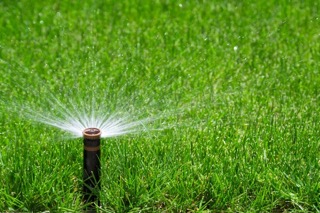
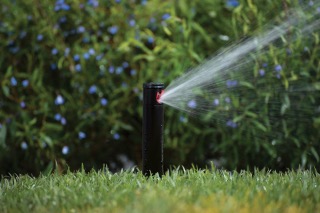
Leaking sprinkler head is the one which emits water to the outside through the unintended points like casing, riser seal, or connection point, even when the system is off, or the pressure is low. The cause could be a crack in the head body, sand or other debris trapped in the riser seal, or damage due to the impact of the mowing equipment. A valve diaphragm issue may be indicated when a sprinkler head leaks continuously after a zone is shut off. A valve diaphragm is the part of an irrigation valve that closes water flow when the valve is not in use. If the diaphragm breaks, water will leak through the valve and flow to the lowest points in the zone, which will most probably be continuous drips at the lowest sprinkler head.
How does acoustic leak detection work?
The gist of acoustic leak detection is the fact that the release of water under pressure from a crack or hole generates sound waves. The sound waves propagate through soil and can be picked up by special listening devices. These devices detect the frequencies at which hissing, releasing, or gurgling sounds occur underground. This way of leak detection is real and is extensively employed by municipal water utilities and big irrigation contractors.
What is a malfunctioning irrigation valve?
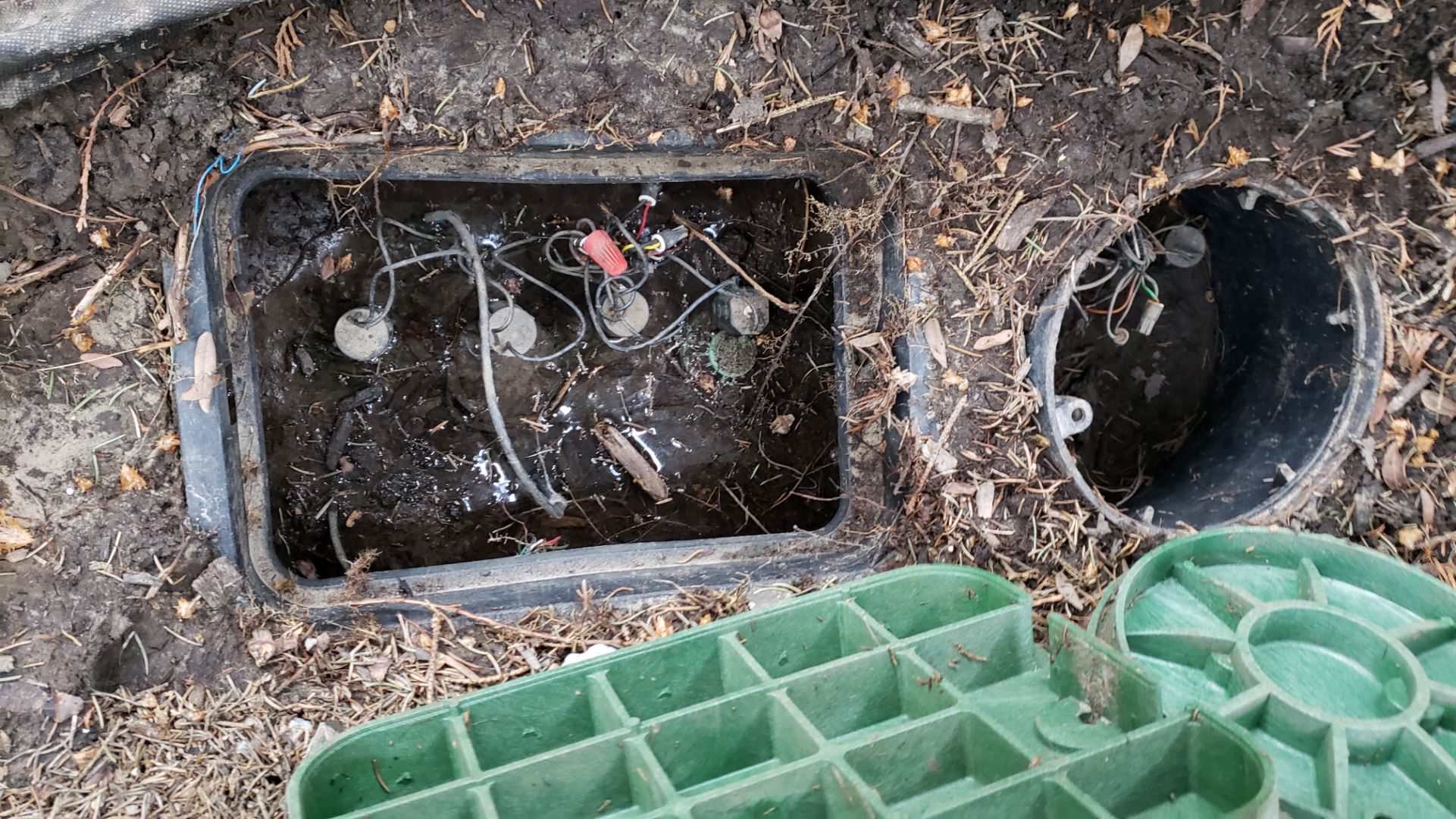
An irrigation valve is the one that regulates the water flow to different zones by opening and closing. A malfunctioning valve will not close fully because of a cracked diaphragm, worn parts, or the presence of debris inside, thus causing it to leak. This, inadvertently, allows water to pass through. The factual consequence is that water is reaching parts of the system even when the irrigation is off. Valve boxes that are still wet during long dry periods physically show that valves are not functioning properly or fittings are leaking. So another simple way how to detect a leak in irrigation system is simply by opening a valve box cap.
What is a broken irrigation pipe?
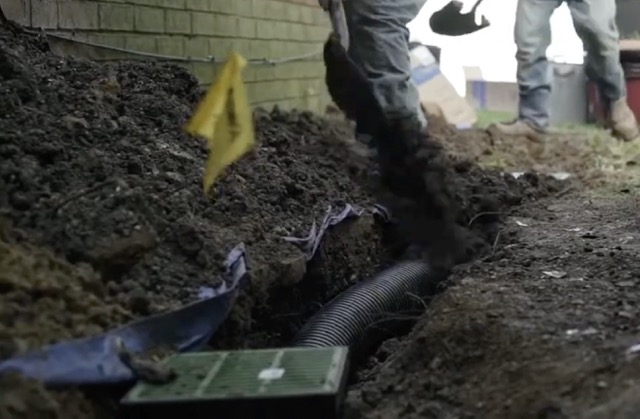
A broken irrigation pipe is a part of PVC, polyethylene, or any other irrigation material that has been cracked or completely separated, and thus the pressurized water is escaping underground. Breaks may be due to soil movement, freezing temperatures, root intrusion, impact, or aging. When a mainline under pressure breaks, water escapes fast and usually causes surface pooling or vibrations in the soil. The leak on a lateral line is only visible when the corresponding zone is activated. These are the facts that are based on fluid dynamics and the design of branched irrigation networks.
What is a pressure test in irrigation?
A pressure test is a step where a pressure gauge measures the pressure in the supply lines or zones of the irrigation system. The normal pressures depend on the system design, but any significant pressure drop during the test is an indication of water escaping before the point where the pressure is measured. A pressure test is used to verify line integrity and is a routine diagnostic method employed in commercial and residential irrigation maintenance. If there is a rapid pressure drop after the zone is turned on, the technicians should look for pipe, fitting, or connection breaches to detect a leak in irrigation system.
What is a pressure test in irrigation?
A pressure test is a step where a pressure gauge measures the pressure in the supply lines or zones of the irrigation system. The normal pressures depend on the system design, but any significant pressure drop during the test is an indication of water escaping before the point where the pressure is measured. A pressure test is used to verify line integrity and is a routine diagnostic method employed in commercial and residential irrigation maintenance. If there is a rapid pressure drop after the zone is turned on, the technicians should look for pipe, fitting, or connection breaches.
What does a drip irrigation leak look like?
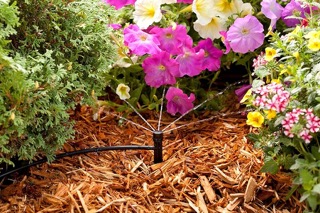
A drip irrigation leak is the appearance of an unusually large wet spot along the tubing or as inconsistency in the outlet volume from emitters. As the drip systems maintain a regulated low pressure, even a small hole in the tubing will cause a significant release of water in relation to the expected output. Measuring emitter output with collecting devices serves as factual confirmation of the anomalies.
What is low-point drainage?
Low-point drainage means that the water naturally flows from the lateral lines to the lowest sprinkler head once the system is turned off and there are no check valves in the system. Although this is normal, excessive or continuous drainage is a sign of a possible leak or malfunction. Understanding this helps to avoid the wrong diagnosis.