Snow acts as an insulating blanket, protecting the grass from extreme cold and temperature fluctuations. However, excessive snowfall can lead to compaction, which may suffocate the grass if not properly managed.
Frost
Frost forms when temperatures drop below freezing, creating ice crystals on grass blades. It can damage cell structures and cause grass to become brittle, making it vulnerable to breakage when walked on.
Freeze-Thaw Cycles
Repeated freezing and thawing can be detrimental to your lawn. When water in the soil freezes and expands, it can disrupt root systems. As it thaws, it creates air pockets in the soil, which can lead to root desiccation.
Ice
Ice accumulation on your lawn can weigh down grass and cause it to bend or break. It can also block essential sunlight and air from reaching the grass.
Winter Lawn Watering Tips
Understanding these winter weather conditions allows you to adjust your lawn care practices accordingly. For example, you can take steps to prevent excessive snow accumulation, minimize foot traffic on frost-covered lawns, and protect your grass from ice damage. Proper care during winter weather ensures a healthier lawn come spring.
Water your lawn less frequently compared to the growing season, typically every 2-4 weeks or as needed. Only water if the soil is dry to a depth of about 1 inch.
Be cautious not to saturate the lawn. Overwatering in winter can lead to root rot and other issues. Use a rain gauge or soil moisture meter to gauge when watering is necessary.
By following these guidelines, you can provide your lawn with the right amount of water to sustain it through the winter without causing damage or wasting resources. Adjust your watering schedule based on local climate conditions and the specific needs of your lawn.
Choosing the Right Watering Methods - Winter Lawn Watering Tips
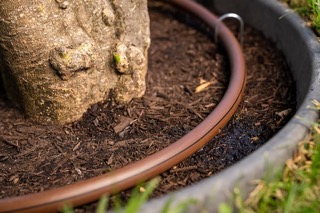
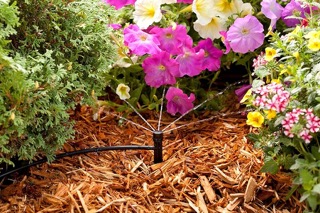
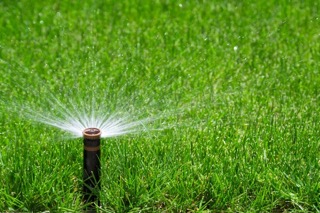
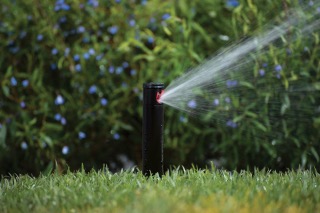
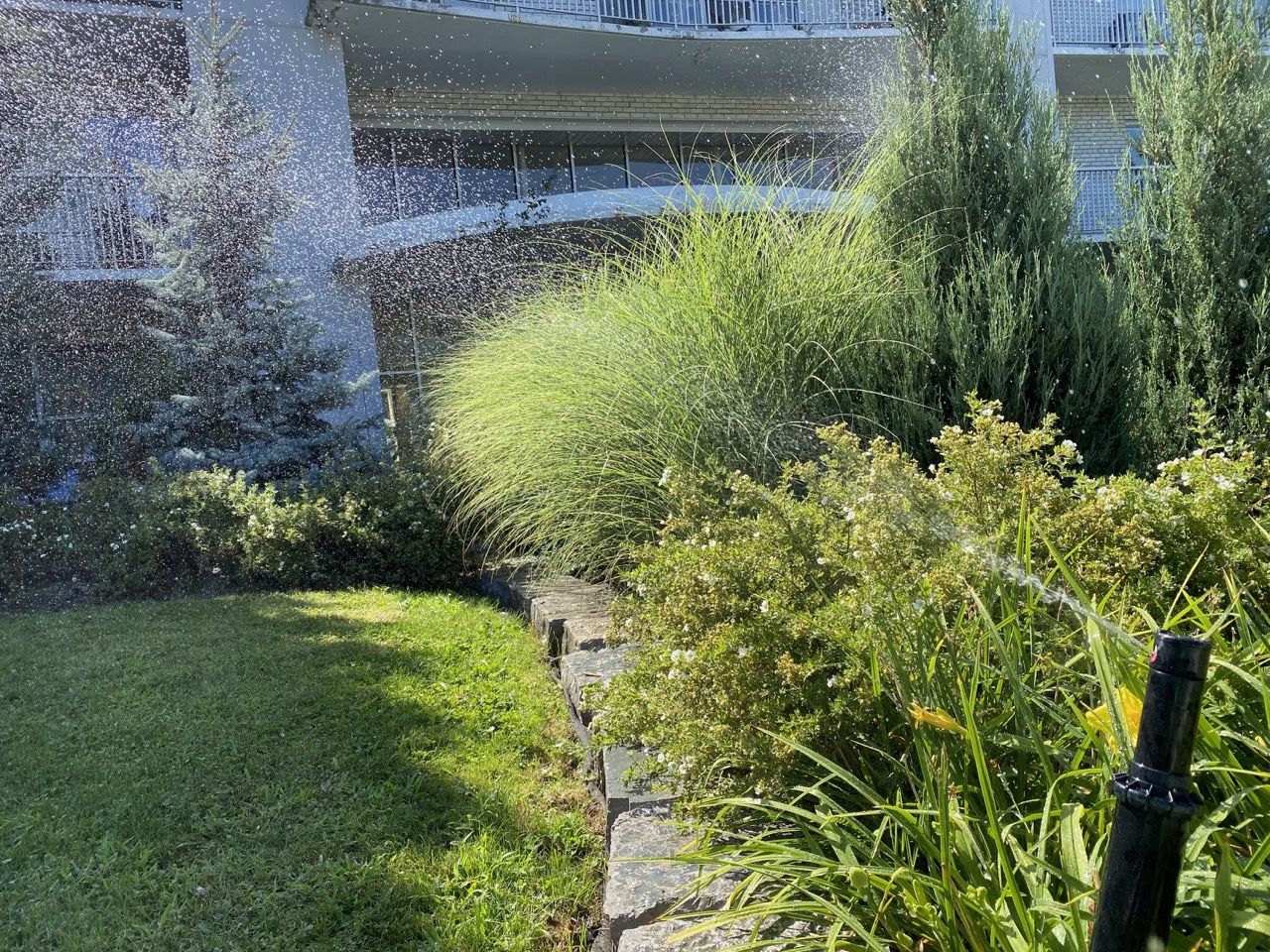
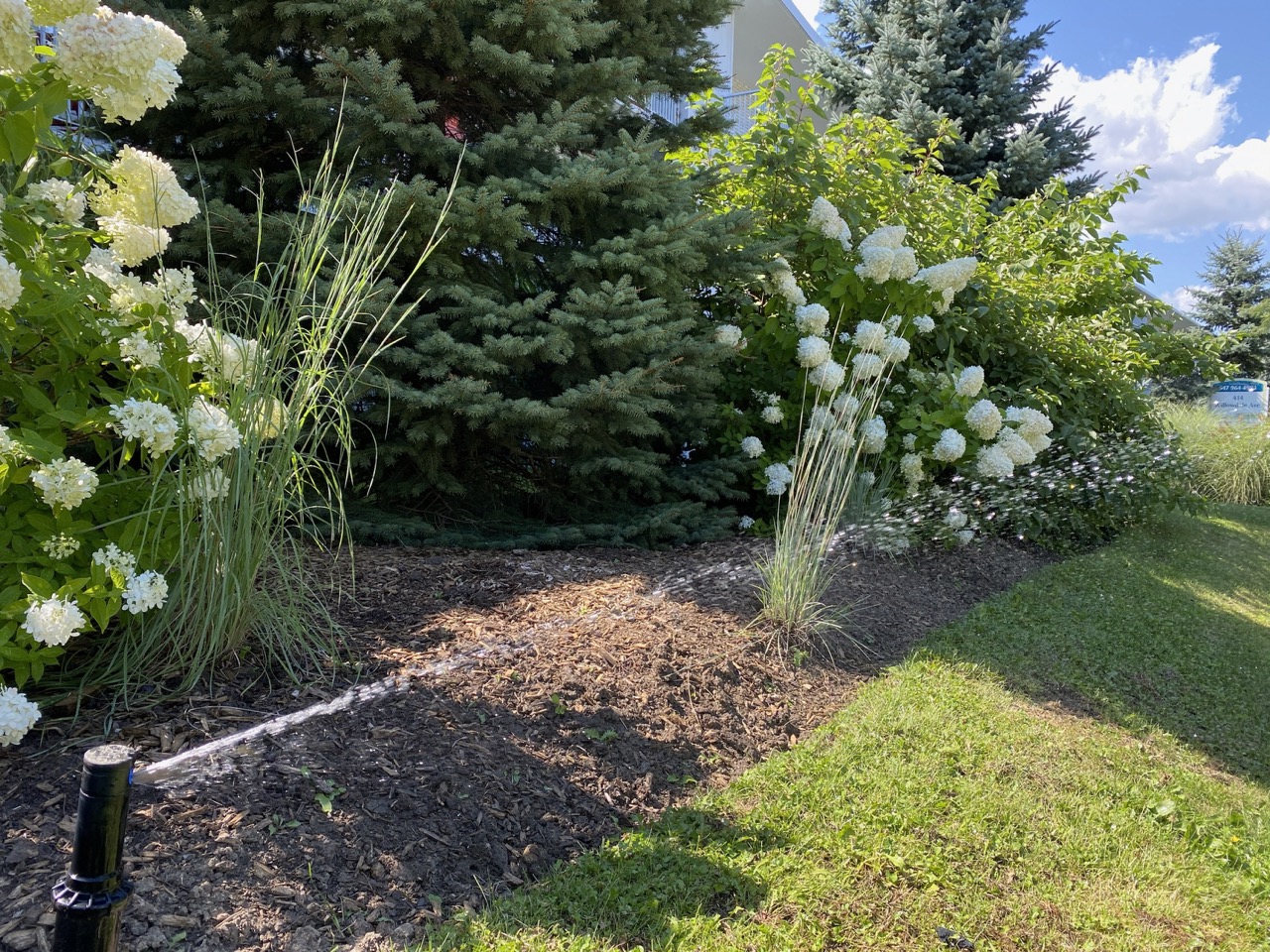
Choosing the right watering method for your winter lawn is crucial to ensure effective moisture distribution while avoiding potential damage. Hand watering provides precision control, making it ideal for spot treatments and small areas. Sprinkler systems work well for larger lawns, with options like low-angle or oscillating sprinklers reducing water waste and preventing freezing. Drip irrigation, efficient and slow-paced, minimizes the risk of ice formation while conserving water, suitable for various lawn sizes. Soaker hoses lie on the ground, delivering water directly to the soil, preventing evaporation and ice issues, particularly useful for lengthy, narrow areas. Consider your lawn’s size, local climate, and personal preferences when selecting a method to maintain a healthy winter lawn.