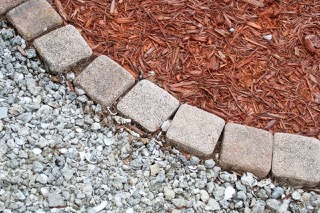
Is Mulch or River Rock Better for Landscaping?
Mulch is usually better around trees, shrubs, perennials, and privacy plants because it helps retain soil moisture, moderates temperature, and slowly improves soil as it breaks down. River rock is better for decorative borders, drainage swales, splash zones, and low-maintenance areas where you do not want organic material decomposing. In many Toronto yards, the best answer is not one or the other, but using each material in the right place.
When Should You Use Mulch?
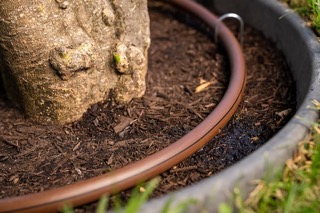
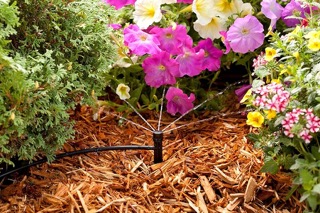
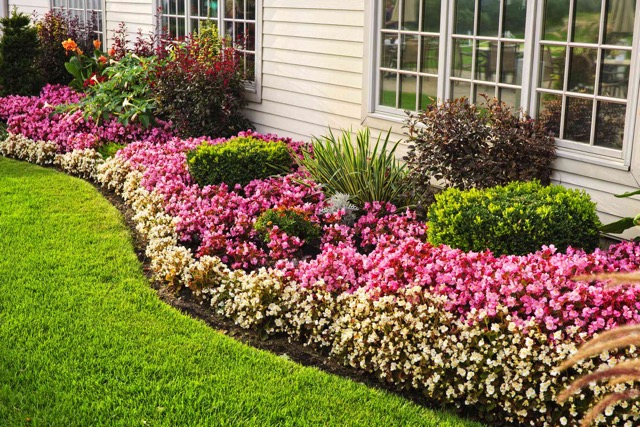
Use mulch in garden beds, around new shrubs, under hedges, around trees, and in areas where plant health matters most. Mulch helps protect roots from heat and cold, holds moisture during dry spells, and reduces weed pressure when installed at the right depth. It is especially useful for new plantings such as privacy plants Toronto homeowners use along fences and backyard borders.
When Should You Use River Rock?
River rock works well in drainage areas, around downspouts, beside walkways, in modern decorative beds, and in places where mulch would wash away. It lasts longer than mulch and does not need regular top-ups in the same way. River rock is also useful where water moves through the landscape, but it should be installed with proper fabric, edging, and grading so it does not sink into soil or scatter into the lawn.
Which Is Better for Drainage: Mulch or River Rock?
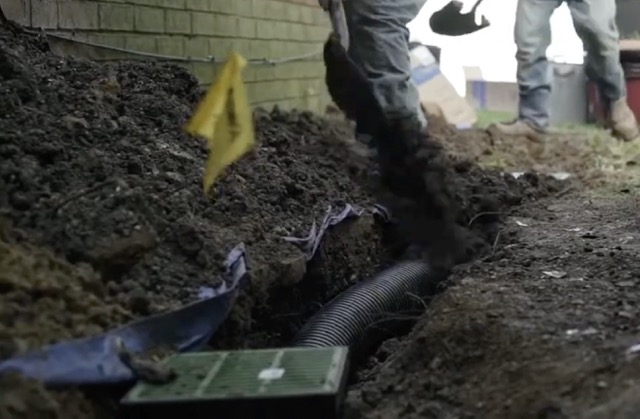
River rock is usually better for drainage because it allows water to move through and does not float or decompose like mulch. It is often used in dry creek beds, swales, downspout areas, and drainage features. If your yard has standing water, river rock alone may not solve the issue; you may need grading or a French drain system to move water away properly.
Which Is Better Around Plants?
Mulch is usually better around most plants because it keeps soil cooler, supports moisture retention, and adds organic matter as it breaks down. River rock can reflect heat and warm the root zone, especially in sunny areas beside pavement or walls. For heat-sensitive shrubs, new hedges, and perennials, mulch is normally the safer choice. Keep mulch a few inches away from stems and trunks to avoid rot.
Does River Rock Make Soil Too Hot?
River rock can increase heat around plants because stone absorbs and reflects sunlight. In full-sun Toronto backyards, this can dry soil faster and stress shallow-rooted plants. Rock is not automatically bad, but it should be used carefully around delicate shrubs or new plantings. If dry areas keep appearing near rock beds, compare the symptoms with dry patches lawn sprinkler problems.
Which Is Lower Maintenance?
River rock usually lasts longer and does not need yearly refreshing like mulch, but it is not maintenance-free. Leaves, weeds, soil, and debris can collect between stones over time. Mulch needs periodic top-ups because it decomposes, but that same decomposition improves soil. For homeowners who want a cleaner long-term look, river rock can work well in non-planting zones, while mulch is still better where soil health matters.
Which Costs More: Mulch or River Rock?
River rock usually costs more upfront because the material is heavier, delivery can be more expensive, and installation often needs edging and landscape fabric. Mulch usually costs less at installation but needs replenishing over time. Water use also matters: mulch can reduce evaporation around plant roots, while rock may increase drying in sunny spots. For irrigation budgeting, see how much it costs to water a lawn in 2026.
Can Mulch or River Rock Affect Sprinklers?
Yes. Mulch can shift and cover low sprinkler heads, while river rock can block spray patterns or make repairs harder if stones bury fittings. Rock near heads may also make leaks harder to notice until soil becomes soggy or pressure drops. If wet spots appear near irrigation heads, check for sprinkler head leaks or signs of a low pressure sprinkler system.
What Is the Best Choice for Toronto Landscaping?
For most Toronto landscaping, use mulch in active planting beds and river rock in drainage or decorative hardscape zones. Mulch supports plants, hedges, trees, and new garden beds. River rock works well where water flows, mulch washes away, or a cleaner permanent border is desired. A complete landscaping plan can combine both materials with proper grading, edging, planting, and irrigation.