











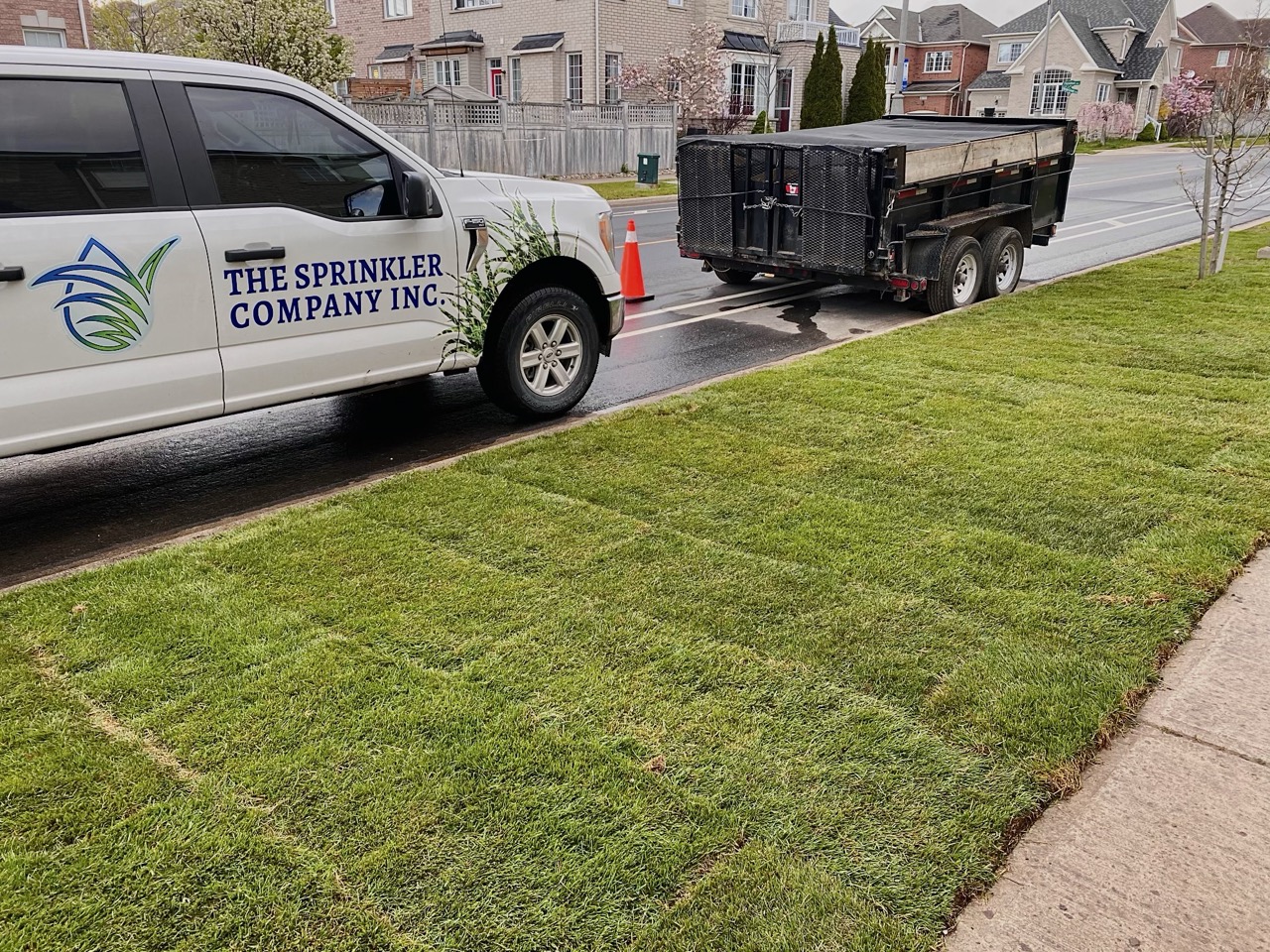
The Sprinkler Company Inc. / Sod vs Grass Seed
Sod vs Grass Seed: Compare Cost and Establishment
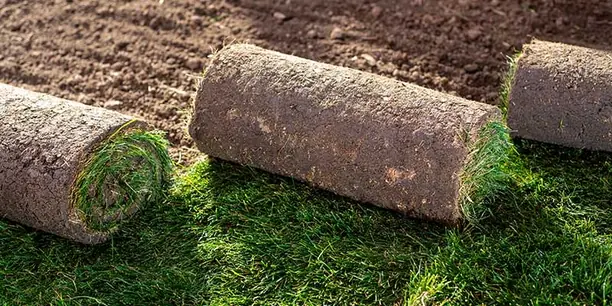
Sod is established turf delivered in sections; seed starts a lawn from germination.
Sod vs Grass Seed: the direct answer
Sod provides immediate surface cover but still needs establishment. Seed generally has a different material and labour cost profile and needs time and suitable conditions to develop cover.
Compare the preparation and care for the same area. The cheaper initial material is not necessarily the lower total if erosion, repeated attempts or access restrictions affect the project. Choose turf or seed suitable to the site light and intended use. Existing weeds, compaction and drainage should be addressed either way. Use actual supplier rates when comparing your two proposals.
Two-quote cost comparison
Enter two actual prices for the same unit and comparable scope. Totals exclude tax.
Each subtotal = quantity x rate + extras. Difference = absolute difference between subtotals.
Establishment depends on the ground underneath
New turf does not remove compacted soil or create an outlet for trapped water. Prepare the growing surface, arrange delivery close to installation and make sure watering is possible before ordering. During establishment, inspect moisture below the turf instead of treating one timer setting as correct for every day. Weather, soil, slope and shade change demand.
Immediate green cover is not the same as an instantly rooted, traffic-ready lawn.
Technical reference: University of Minnesota Extension: seeding and sodding. Site-specific product instructions and local requirements take precedence over an illustrative calculation.
Compare establishment conditions as well as purchase price
Sod and seed reach usable cover by different processes. A price comparison should include preparation and care, not only the material purchase. The best choice depends on the site and the ability to protect and water the establishing lawn. An immediate green surface does not mean sod requires no aftercare, just as inexpensive seed does not remove establishment work.
Prepare the ground before choosing seed or sod
Sod provides immediate surface cover, but the lawn still has to establish roots in the prepared ground. Seed begins without that cover and needs conditions suitable for germination and establishment. Neither approach corrects compacted soil, debris or an unsuitable drainage route by itself. Before ordering, inspect the existing surface and identify which preparation is included. A lawn replacement should be planned around the condition underneath the grass, not only the desired appearance on installation day.
Measure the finished lawn after excluding paths, beds and other surfaces. For irregular shapes, add separate rectangles or other measured sections instead of multiplying the largest overall length and width. Keep any ordering allowance distinct from the area that will actually become lawn. The supplier roll or package coverage is needed to convert area into a purchase quantity. Confirm the product, delivery arrangements and handling instructions before scheduling installation so fresh material does not wait unnecessarily while ground work continues.
Water according to the root-zone conditions
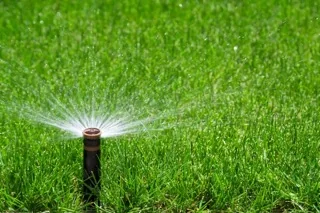
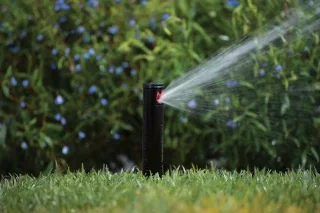
A timer setting is a duration, not a measurement of water delivered. Sprinkler output, overlap, wind and pressure affect coverage; soil, slope and weather affect how long moisture remains. Check the condition below the turf or within the establishing seedbed as appropriate rather than judging only the colour at the surface. Follow the supplier establishment guidance and adjust to actual conditions. A sunny edge can behave differently from a shaded corner even when both are assigned the same schedule.
Standing water and a dry patch call for investigation, not automatically more watering across the entire lawn. Uneven sprinkler coverage can leave one area dry while another is already saturated. Look for the pattern and compare it with irrigation operation. Avoid using a universal number of minutes as a promise of success. If the lawn is losing condition, record the timing, recent weather, watering and affected area so the supplier or lawn professional can assess the likely cause.
Distinguish establishment from a finished appearance
A newly laid surface can look complete before it is ready for ordinary repeated use. Root anchorage, moisture and the condition of the ground matter more than appearance alone. Follow the installer instructions on traffic and mowing, and check the turf condition rather than assuming every lawn establishes in the same number of days. Heavy use on soft ground can leave depressions that become both a mowing problem and a place for water to collect.
Brown areas, lifted edges and thin growth are symptoms, not diagnoses. Delivery stress, poor contact, inadequate moisture, excessive moisture or unsuitable site conditions can overlap. Compare the affected area with the preparation and watering records before deciding on replacement. Aeration, dethatching and overseeding also address different lawn conditions. Selecting a treatment because it is commonly advertised can miss the actual problem. A site-specific assessment is more useful than applying all available treatments to every lawn.
Compare prices with preparation and aftercare included
An installed sod rate should identify the lawn area and the work included in preparing it. Ask about removal, soil, grading, access and the final cleanup. A material-only sod price cannot be compared directly with a full replacement service. Seed-based renovation also needs a defined scope: the selected product, preparation method and establishment care affect what is being purchased. Use the published price table as a starting point for questions, not as proof that every yard can be completed at its lowest figure.
Keep the lawn handover information with the irrigation settings and product details. Record which areas were repaired and what soil or seed was used. During establishment, check coverage and moisture rather than relying exclusively on a calendar. Later changes to shade, foot traffic, drainage or watering can change the lawn requirements. Resolving these conditions is often more useful than repeatedly replacing a patch without identifying why it continues to struggle in the same location.
Plan lawn work around preparation and establishment
A lawn replacement schedule should connect ground preparation, delivery and installation rather than treating them as unrelated purchases. Confirm who checks the final surface and who is responsible for watering after the crew leaves. Access to a functioning water source matters before fresh turf arrives. The correct amount and timing of watering depend on the supplied grass, weather and soil, so obtain the supplier instructions and adjust using actual moisture observations rather than an unchanging timer setting.
Look at the edge conditions as well as the central lawn. Areas next to hot paving, beneath shade, beside a downspout or over compacted access routes may establish differently. A single care assumption can miss these differences. Keep people and equipment off vulnerable areas as appropriate to establishment, and check anchorage before returning to normal use. Do not infer root development from green colour alone; the surface can look complete before the turf has established into the ground beneath it.
For seeding or overseeding, confirm the actual product label and intended application. A label rate for a new lawn may differ from the rate for an existing lawn, and seed blends suit different conditions. Record the area treated and the amount purchased, keeping unused product separate from the amount applied. More seed does not correct every preparation problem. If shade, drainage or soil condition remains unsuitable, discuss whether a different ground treatment is more appropriate than repeating the same lawn work.
When a problem appears after installation, report its timing and pattern. A strip beside a path, an isolated low spot and a uniformly stressed lawn can suggest different avenues for inspection, but appearance alone is not a diagnosis. Keep delivery details, preparation notes and watering records where available. The written scope should explain establishment responsibilities and any warranty conditions. This gives both the homeowner and contractor a factual basis for deciding whether the next step is a care adjustment, investigation or additional work.
Compare equivalent proposals rather than headline totals
A useful comparison begins with one clearly defined unit and scope. A price per bag cannot be entered alongside a price per cubic yard as though both rates described the same quantity. An installed service also cannot be compared directly with a pickup material listing. Convert quantities first and identify delivery, preparation and disposal. Enter actual supplier or contractor figures; the comparison does not supply missing market prices.
Read exclusions with the same attention as included work. Two totals can differ because one proposal removes old material while the other leaves it, or because one includes restoration and another stops after the buried work. Product size, supplied quality and access assumptions can also change the result. Make those differences visible before interpreting the lower subtotal as a saving. Where proposals are not equivalent, ask for clarification or a revised scope rather than averaging them.
The numerical difference describes only the entered prices. It does not score workmanship, suitability, warranty or the risk of incomplete work. Consider how each option addresses the actual site problem and how maintenance will be performed afterward. Keep the written quotations with the comparison so the numbers remain connected to their sources. If the scope changes, update the comparison rather than carrying forward a result based on materials or quantities that are no longer part of the project.
Lawn renovation service prices
Published prices for the relevant service or material are listed below. These are price ranges or supplier listings, not a calculated market average. Check the included work, delivery and applicable tax when comparing quotes.
| Service or material | Price (CAD) | Scope and source |
|---|---|---|
| Core aeration and overseeding | $190 / application | Kramer Lawn Care; up to 2,500 sq ft, before tax. Kramer Lawn Care: GTA service prices |
| Five-step lawn rejuvenation | $500 / application | Kramer Lawn Care; up to 2,500 sq ft, before tax. Kramer Lawn Care: GTA service prices |
| Residential sod replacement | $1.10-$3.50 / sq ft | Company installation range for comparison. The Sprinkler Company: published service prices |
Prices checked 2026-10-06. Unless stated otherwise, prices exclude tax. Supplier pickup prices exclude delivery and installation. Ontario HST is 13% where applicable.
Questions and factual answers
Is fresh sod ready for normal traffic immediately?
No. Immediate cover is not the same as root establishment. Assess anchorage, soil moisture and supplier guidance before allowing repeated traffic.
What is the published residential sod installation price?
The company lists CAD 1.10-3.50 per square foot. Confirm preparation, removal, access and the measured area with the office before comparing that range with another quote.
What is the main limit of this planning tool?
Enter two actual prices for the same unit and comparable scope. Totals exclude tax. Each subtotal = quantity x rate + extras. Difference = absolute difference between subtotals.
What should be confirmed before work starts?
Immediate green cover is not the same as an instantly rooted, traffic-ready lawn. Ask for the measured scope, materials, destination of water or removed material where relevant, and any exclusions in writing.
Related planning guides
Sources and scope
The calculations are transparent planning scenarios, not a drainage design, structural assessment or binding quote. Current local rules, product instructions and a site inspection may change the appropriate scope.
Discuss your property and measured scope
The Sprinkler Company Inc.