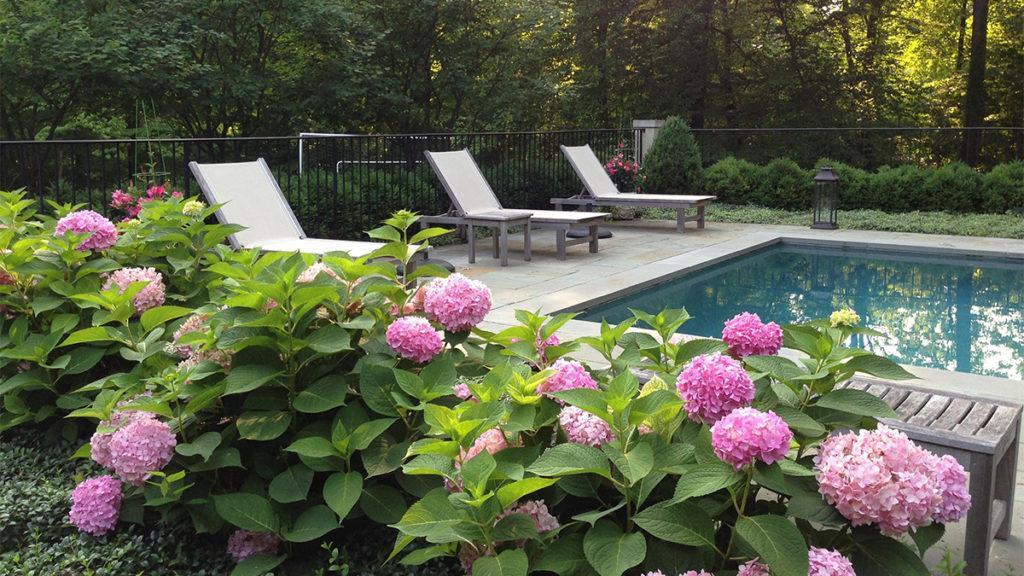











Landscaping

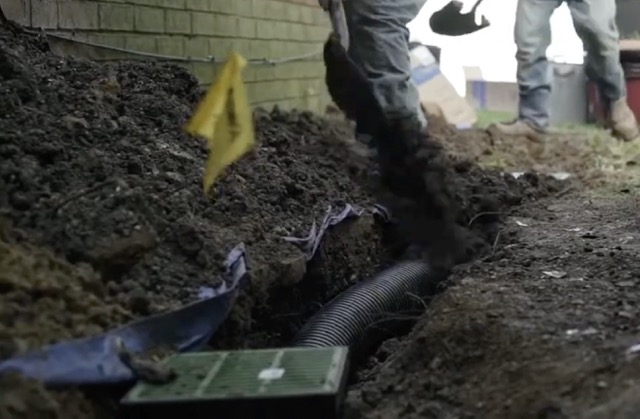
French Drainage Installation

LEARN MORE

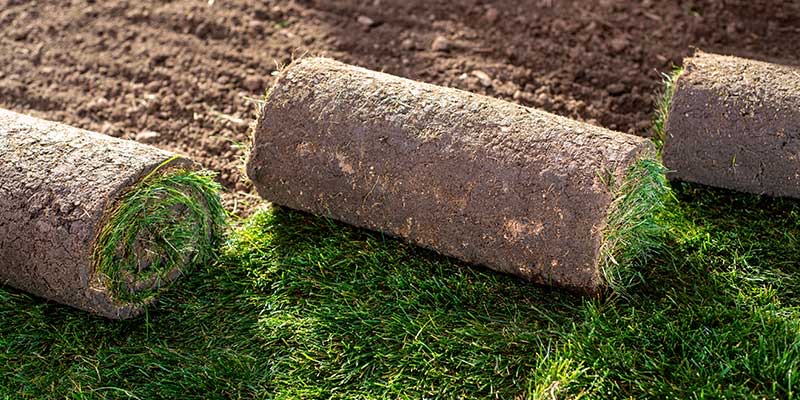
SOD Installation

LEARN MORE

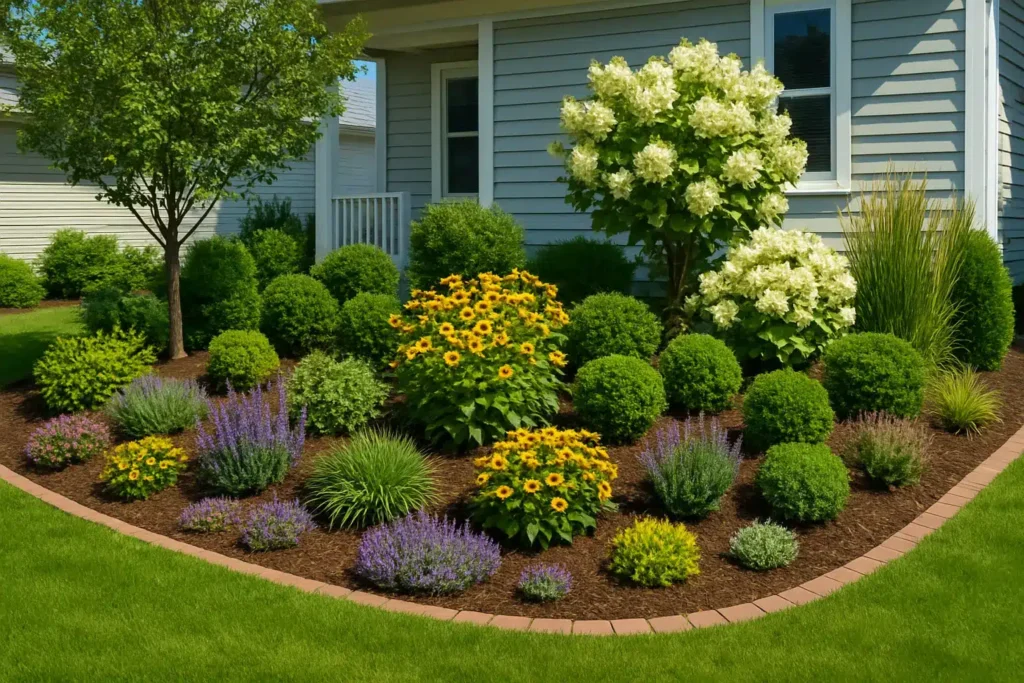
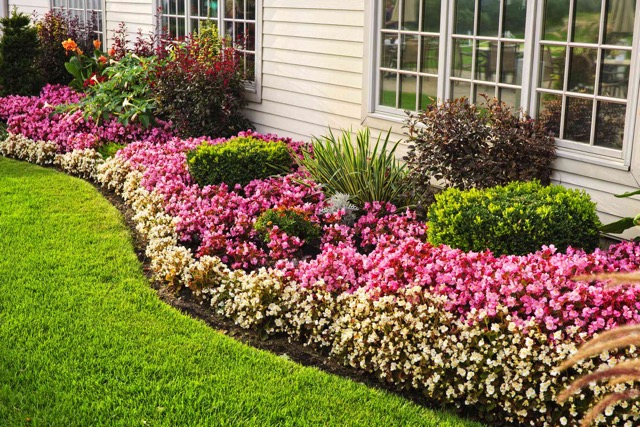
Flower Beds & Planting

LEARN MORE

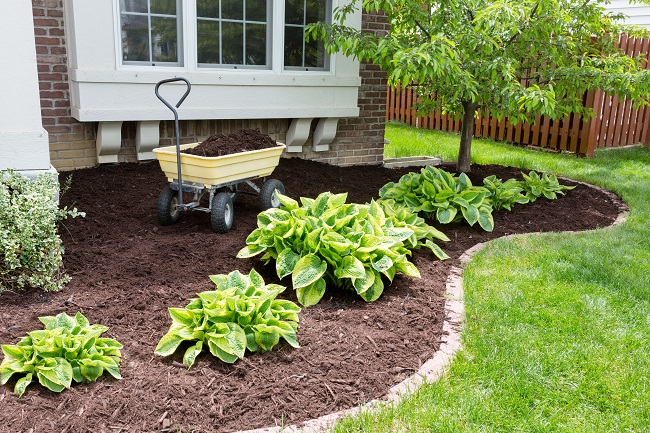
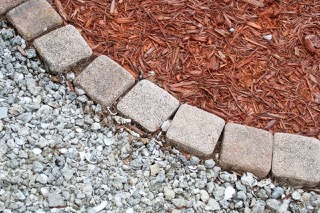
Gravel & Mulch Installation

LEARN MORE

How To Detect a Leak In Irrigation System

How To Detect a Leak In Irrigation System

How to detect a leak in irrigation system?

Detecting‍‌‍‍‌‍‌‍‍‌ a leak in an irrigation system is based on locating irregular hydraulic behavior and water consumption that are not accounted for, finding physical signs in the landscape, and then component-wise system isolation in a methodical way. Non-visible irrigation systems are meant to be closed, pressurized networks, and any opening that is not intended will let the water flow out. One of the very first questions in a leakedetection case is What is a leak in an irrigation system? A leak is the situation when there is a loss of water from supply lines, valves, fittings, sprinkler heads, or drip components that have happened unintentionally and the system is either operating or shut off. This loss happens because of mechanical damage, wear, manufacturing failure, improper installation, or environmental conditions that affect the integrity of the piping network.

How can a homeowner or a technician be sure that the water loss is coming only from the irrigation system?

The most accurate factual method for confirmation is the water meter test. A water meter records the total flow through the property’s potable water supply. When all indoor and outdoor fixtures are turned off and the leak indicator is still moving, it shows that there is a continuous water flow. It is a very definitive test to close the irrigation shutoff valve and see if the leak indicator is moving as well. The factual interpretation is that the irrigation system is the source of the leak if the indicator stops after the irrigation shutoff valve is closed. This method is the standard one in water utility diagnostics and irrigation service practices.

What is zone isolation?

Zone isolation means operting only one irrigation zone at a time or opening one valve at a time manually and checking each section of the system for its behavior. Irrigation zones are the independent hydraulic circuits which are controlled by valves, and if there is a leak in one zone only, the symptoms will be different and unique to that particular zone. A zone which is working normally has full pressure, all the sprinkler heads are popping regularly, rotors are rotating normally and there is uniform distribution pattern. A zone with a leak is likely to show pressure loss, weak coverage, irregular spray patterns, or even heads that are barely rising. These are the real hydraulic consequences of a pressure drop that was caused by water escaping through a breach.

Why is the ground always wet even when the system is off?

The truest definition of this condition is that it stands for nonstop leakages from either lateral line, a fitting, or a valve that is not closing fully. When irrigation is off, soil should not be saturated unless there has been some rainfall. Constant saturation at a certain spot is a sure sign of underground water movement. The additional visible symptoms like soil erosion, extremely bright green patches of turf, or even standing water besides being the signs of underground water movement, can also be looked at as the indicators of subsurface leaks. Such physical reactions are due to the fact that the leak water keeps on hydrating that particular area way beyond its usual irrigation schedule.

What is low pressure in irrigation zone?

Low pressure means a situation in which during the water dynamic pressure is lower than the required designed operational pressure and thus sprinkler performance is incomplete. Sprinkler systems are made to work at certain pressure levels which are necessary for the throw distance and uniformity to the required degree. The situation here is that a pipe is cracked or a fitting is leaking and thus part of the water under pressure is escaping before it reaches the sprinkler heads and so there is a decrease in the available pressure. Due to this factual lowering of hydraulic pressure, the heads are failing to pop up fully, misting excessively, or making incomplete spray arcs.

What is leaking sprinkler head?

Leaking sprinkler head is the one which emits water to the outside through the unintended points like casing, riser seal, or connection point, even when the system is off, or the pressure is low. The cause could be a crack in the head body, sand or other debris trapped in the riser seal, or damage due to the impact of the mowing equipment. A valve diaphragm issue may be indicated when a sprinkler head leaks continuously after a zone is shut off. A valve diaphragm is the part of an irrigation valve that closes water flow when the valve is not in use. If the diaphragm breaks, water will leak through the valve and flow to the lowest points in the zone, which will most probably be continuous drips at the lowest sprinkler head.

How does acoustic leak detection work?

The gist of acoustic leak detection is the fact that the release of water under pressure from a crack or hole generates sound waves. The sound waves propagate through soil and can be picked up by special listening devices. These devices detect the frequencies at which hissing, releasing, or gurgling sounds occur underground. This way of leak detection is real and is extensively employed by municipal water utilities and big irrigation contractors.

What is a malfunctioning irrigation valve?

An irrigation valve is the one that regulates the water flow to different zones by opening and closing. A malfunctioning valve will not close fully because of a cracked diaphragm, worn parts, or the presence of debris inside, thus causing it to leak. This, inadvertently, allows water to pass through. The factual consequence is that water is reaching parts of the system even when the irrigation is off. Valve boxes that are still wet during long dry periods physically show that valves are not functioning properly or fittings are leaking. So another simple way how to detect a leak in irrigation system is simply by opening a valve box cap.

How To Detect a Leak In Irrigation System

What is a broken irrigation pipe?

A broken irrigation pipe is a part of PVC, polyethylene, or any other irrigation material that has been cracked or completely separated, and thus the pressurized water is escaping underground. Breaks may be due to soil movement, freezing temperatures, root intrusion, impact, or aging. When a mainline under pressure breaks, water escapes fast and usually causes surface pooling or vibrations in the soil. The leak on a lateral line is only visible when the corresponding zone is activated. These are the facts that are based on fluid dynamics and the design of branched irrigation networks.

What is a pressure test in irrigation?

A pressure test is a step where a pressure gauge measures the pressure in the supply lines or zones of the irrigation system. The normal pressures depend on the system design, but any significant pressure drop during the test is an indication of water escaping before the point where the pressure is measured. A pressure test is used to verify line integrity and is a routine diagnostic method employed in commercial and residential irrigation maintenance. If there is a rapid pressure drop after the zone is turned on, the technicians should look for pipe,  fitting, or connection breaches to detect a leak in irrigation system.

What is a pressure test in irrigation?

A pressure test is a step where a pressure gauge measures the pressure in the supply lines or zones of the irrigation system. The normal pressures depend on the system design, but any significant pressure drop during the test is an indication of water escaping before the point where the pressure is measured. A pressure test is used to verify line integrity and is a routine diagnostic method employed in commercial and residential irrigation maintenance. If there is a rapid pressure drop after the zone is turned on, the technicians should look for pipe, fitting, or connection breaches.

What does a drip irrigation leak look like?

A drip irrigation leak is the appearance of an unusually large wet spot along the tubing or as inconsistency in the outlet volume from emitters. As the drip systems maintain a regulated low pressure, even a small hole in the tubing will cause a significant release of water in relation to the expected output. Measuring emitter output with collecting devices serves as factual confirmation of the anomalies.

What is low-point drainage?

Low-point drainage means that the water naturally flows from the lateral lines to the lowest sprinkler head once the system is turned off and there are no check valves in the system. Although this is normal, excessive or continuous drainage is a sign of a possible leak or malfunction. Understanding this helps to avoid the wrong diagnosis.

Our Partner

How To Detect a Leak In Irrigation System

Benefits of Smart Irrigation Controllers

Benefits of Smart Irrigation Controllers

Benefits of Smart Irrigation Controllers

Benefits of Smart Irrigation Controllers: Save Water and Keep Your Lawn Green

Smart irrigation controllers are revolutionizing lawn care for Canadian homeowners by providing efficient, automated watering solutions. These systems help conserve water, reduce utility bills, and ensure that lawns and gardens stay vibrant and green all season long. Let's explore the top smart irrigation controller brands—Rain Bird, Rachio, and Hunter—and how they can benefit your landscape.

What Is a Smart Irrigation Controller?

A smart irrigation controller automatically adjusts watering schedules based on real-time weather data, soil moisture levels, and seasonal patterns. Unlike traditional timers, smart controllers connect to Wi-Fi and adapt to changing conditions, preventing overwatering or underwatering. Homeowners can monitor and control systems remotely via mobile apps, making irrigation smarter, easier, and more environmentally friendly.

How Does a Smart Controller Save Water?

By using predictive weather algorithms, smart controllers determine exactly when and how much to water. If rain is expected, they skip irrigation cycles. When the weather is hot and dry, they increase watering accordingly. This dynamic adjustment reduces water waste and lowers your environmental footprint. On average, homeowners save 20%–50% on water usage compared to conventional systems.

Rain Bird ESP-TM2 & ESP-Me Smart Controllers

Rain Bird offers two leading smart controllers: the ESP-TM2 and ESP-Me. These controllers use Rain Bird’s LNK WiFi Module to enable remote access through a mobile app. With customizable schedules and built-in seasonal adjustment, Rain Bird systems are ideal for medium to large residential properties. They support up to 22 zones and offer robust compatibility with sensors and add-ons.

  • Pros: Reliable, professional-grade, rain delay features
  • Best for: Homeowners who prefer a trusted brand with strong contractor support

Rachio Smart Irrigation Controllers (Rachio 3)

Rachio is a leader in user-friendly smart irrigation with sleek design and intuitive app features. The Rachio 3 supports up to 16 zones and connects to weather data from thousands of stations. It offers deep integration with smart home platforms like Alexa and Google Home. Rachio's interface is perfect for tech-savvy homeowners who want control, automation, and water savings without complexity.

  • Pros: Easy setup, app-driven, detailed zone customization
  • Best for: DIY enthusiasts and modern smart home owners

Hunter Pro-HC and HPC Controllers

Hunter’s Pro-HC and HPC smart controllers are built for reliability and advanced functionality. Featuring Hydrawise cloud software, these controllers offer predictive watering, flow monitoring, and email alerts for leaks. The Pro-HC is wall-mounted with touch display, while the HPC is modular and upgradeable. These models are great for those who want full system oversight and professional-grade durability.

  • Pros: Advanced diagnostics, scalable, strong for commercial or large residential setups
  • Best for: Property managers or homeowners with complex irrigation needs

How Much Do Smart Controllers Cost?

Smart irrigation controller prices vary by brand and features. Entry-level models start around $130, while advanced multi-zone units can reach $500. Here’s a general breakdown:

ModelZone CapacityAverage Price (CAD)
Rain Bird ESP-TM2 + LNK Module4–12$300 – $750
Rachio 38 or 16$350 – $650
Hunter Pro-HC / HPC6–36+$550 – $1200

Conclusion: Which Smart Controller Is Best for You?

Choosing the right smart irrigation controller depends on your property size, irrigation complexity, and tech preferences. Rain Bird is best for reliability and pro installation. Rachio excels in ease of use and integration with smart homes. Hunter offers the most diagnostics and zone scalability. No matter your choice, a smart controller will save water, improve lawn health, and give you peace of mind—all from your smartphone.

Ready to upgrade your system? Contact The Sprinkler Company Inc. for expert installation and setup across the GTA.

Benefits of Smart Irrigation Controllers

Irrigation System Cost Guide for Canadian Homeowners – 2025

irrigation system cost guide for Canadian homeowners - 2025

Irrigation System Cost Guide for Canadian Homeowners - 2025

Installing an irrigation system is a smart investment for homeowners in Canada looking to maintain lush, healthy lawns and gardens. This guide explores all aspects of irrigation system costs—from initial installation to seasonal maintenance—providing a clear overview tailored to the Canadian market. Whether you live in Toronto, Mississauga, or elsewhere, this guide helps you plan your budget and make informed decisions.

How Much Does an Irrigation System Cost to Install in Canada?

The installation cost for a residential irrigation system in Canada varies based on property size, soil condition, number of zones, and system complexity. On average, Canadian homeowners can expect to spend between $2,400 and $7,000 for a complete in-ground sprinkler system. Smaller lawns may cost less, while larger or more complex yards could exceed $10,000.

Costs are broken down into labor, materials, trenching, controllers, and sprinkler heads. Each irrigation "zone" waters a section of your lawn, and most homes require 4 to 7 zones. Each additional zone adds to the total installation cost.

System SizeEstimated Cost (CAD)Zone Count
Small lawn (1,500–2,000 sq ft)$2,400 – $3,8003–4
Medium yard (up to 5,000 sq ft)$3,800 – $6,0005–6
Large property (up to 1 acre)$6,000 – $10,000+7–10+

What Factors Influence the Total Installation Cost?

Many variables can affect the final price of your irrigation system installation. Some of the key considerations include:

  • Yard Size: Larger spaces require more piping, zones, and labor.
  • Soil Condition: Rocky or clay soils are harder to dig and may increase labor time.
  • Landscape Complexity: Trees, flower beds, and elevation changes require custom planning.
  • System Type: Drip systems, smart sprinklers, and premium controllers can raise costs.
  • Permits and Inspections: Some municipalities require permits or backflow testing.

How Much Do Irrigation Zones Cost?

Irrigation systems are divided into zones to water different areas with optimal timing and pressure. Each zone typically includes its own valve and a group of sprinkler heads or drip emitters. On average, each zone costs between $450 and $1,000 depending on the layout and hardware used.

Zone TypeAverage Cost per Zone (CAD)
Standard Spray Head Zone$450 – $600
Rotor Head Zone$500 – $1,000
Drip Irrigation Zone$300 – $900

What Are the Ongoing Maintenance Costs?

Regular maintenance ensures your irrigation system runs efficiently year-round. In Canada, seasonal services like spring start-up and fall blow-out are essential. Here’s what you can expect to pay:

  • Spring Start-Up: $110 – $160 depending on zone count.
  • Fall Blow-Out (Winterization): $130 – $185 on average.
  • Repairs: Sprinkler head replacement typically costs $5 – $30 per head, plus labor at $50 – $100 per hour.
  • Annual Backflow Testing: $50 – $100 if required by local regulations.

How Do Smart Controllers and Sensors Impact the Budget?

Smart irrigation controllers adjust watering schedules based on weather forecasts, soil moisture, and plant needs. While they add $100 – $300 to your upfront cost, they can save hundreds annually on water bills. Rain sensors, soil moisture sensors, and flow meters are excellent add-ons for eco-conscious homeowners.

Is Drip Irrigation More Affordable?

Drip irrigation systems deliver water directly to plant roots, minimizing evaporation and runoff. They are highly efficient for garden beds, shrubs, and landscaped areas. While the initial installation can be cheaper than traditional sprinklers, labor for setup and emitters can balance the cost. Expect $300 – $1,200 per drip zone.

Are There Any Hidden or Extra Costs to Consider?

Yes. Some costs are not immediately apparent, such as:

  • Permit Fees: May range from $35 to $200+ depending on city regulations.
  • Water Line Modifications: Older homes might need upgraded plumbing for compatibility.
  • Lawn Restoration: Seeding or sod repair post-installation can cost $0.50 – $2 per sq ft.
  • Winter Storage for Equipment: Controllers or backflow devices may need removal and storage in winter climates.

What’s the ROI of Installing an Irrigation System?

Besides making lawn care easier, irrigation systems can increase your property’s curb appeal and resale value. Homes with professionally installed systems often fetch 7–15% more in property value. Additionally, smart irrigation can cut water usage by 20–50%, offering tangible monthly savings.

How to Choose a Reliable Irrigation Installer?

When hiring an irrigation company in Canada, consider:

  • Experience with local soil and climate conditions
  • Licensed and insured technicians
  • Detailed estimates with line-item pricing
  • Warranties on both parts and labor
  • Good reputation—read online reviews and request local references

If you're located in the GTA, The Sprinkler Company offers free estimates and high-quality service backed by years of experience.

Final Thoughts

Investing in a residential irrigation system in Canada is a practical way to improve lawn health, reduce manual work, and conserve water. With installation costs ranging between $2,400 and $7,000 and regular maintenance adding $200–$400 annually, it’s essential to budget wisely. Choose the right system based on your yard size, goals, and available upgrades. Smart controllers and drip zones provide long-term savings and sustainability.

For accurate pricing tailored to your property, contact a trusted local provider and request a detailed quote today.

irrigation system cost guide for Canadian homeowners - 2025

Our Partner
Irrigation System Cost Guide for Canadian Homeowners – 2025

Why Do Budget Irrigation Systems Cost More in the Long Run?

Why Do Budget Irrigation Systems Cost More in the Long Run?

Why Do Budget Irrigation Systems Cost More in the Long Run?

While the average budget irrigation system costs between $100–$300, its lifespan is often only 1–3 years. Meanwhile, a professional-grade system priced between $800–$2,000 can last 10–15 years with minimal upkeep. The U.S. Environmental Protection Agency estimates that up to 50% of water used outdoors is wasted due to inefficient irrigation. If a homeowner loses even 30% water efficiency and pays $80/month in summer bills, that’s $288/year in excess costs. Combined with repairs, this means a $200 system can easily cost $2,000+ over a decade, exceeding the lifetime cost of a premium system.

Comparison of Budget vs Professional Irrigation Systems
Feature Budget Irrigation Professional Irrigation
Initial Cost $100 - $300 $500 - $3,000
Lifespan 3-5 years 10-20 years
Maintenance Frequency Every 1-2 years Every 3-5 years
Water Efficiency Low (up to 50% more waste) High (water-saving up to 50%)
Plant Health Uneven, leading to damage Healthy and consistent

How Do Cheap Irrigation Systems Waste Money?

Cheap irrigation systems waste money through:

  • Frequent repairs every 1–2 years

  • Increased water usage due to lack of smart features

  • Rising energy and labor costs

  • Incompatible parts that require full replacements

Over a decade, these hidden expenses often exceed the cost of premium irrigation systems.

Budget systems may cost $150 upfront but typically require $75–$150/year in repairs. Most use nozzles and tubing rated for only 1–2 seasons. Over 10 years, you may spend $750–$1,000 replacing failing parts. Additionally, inefficient water use can inflate your utility bill by $20–$40/month during active irrigation seasons. If you water from April to September, that’s an extra $120–$240/year, totaling over $1,200–$2,400 in wasted money over a decade. Combined, a “budget” system can cost more than $3,000 in total ownership.

What Materials Are Used in Budget vs. Premium Irrigation Systems?

Budget irrigation components are often made from thin PVC or low-grade polyethylene that begins degrading after just 1,500–2,000 hours of UV exposure. Premium systems use UV-stabilized polymers and brass or stainless steel parts with a tested durability of over 10,000 hours of exposure. In freeze-prone regions, budget systems tend to crack when exposed to temperatures below 32°F (0°C), while premium lines are tested for resistance down to -20°F (-29°C). Material quality directly affects lifespan, with premium parts lasting 5–7 times longer on average.

Why Do Budget Irrigation Systems Require Frequent Repairs?

Data from landscaping professionals shows that 70% of service calls related to residential irrigation involve systems less than 5 years old, and most are budget models. The average homeowner using a budget system faces at least 2 major repairs per year, costing between $50–$125 each. This means spending $100–$250 annually just to keep the system functional. In contrast, premium systems often include 10-year warranties and need less than one major repair every 5 years, drastically reducing total maintenance costs.

How Much Water Do Cheap Systems Waste?

According to the EPA’s WaterSense program, inefficient irrigation systems can waste 25,000 gallons of water annually for a standard quarter-acre lawn. Budget systems lacking pressure regulators or smart controls are often the culprits. If you pay just $0.004 per gallon, that adds $100/year in unnecessary water use. Over 10 years, that’s $1,000 in water waste alone. On top of this, budget emitters often have an inaccuracy rate of 15–20%, watering non-target areas like sidewalks or driveways.

Are Cheap Irrigation Systems Environmentally Harmful?

Yes, inefficient systems significantly harm the environment. One poorly regulated system can generate 100+ gallons/dayof runoff, especially when combined with fertilizers. This adds up to 36,500 gallons/year of polluted water entering sewers and natural bodies of water. Runoff carries nitrates and phosphates into local streams, contributing to algae blooms and aquatic dead zones. Sustainable systems, like those using EPA-certified smart controllers, reduce runoff by up to 70%, according to a University of Florida irrigation study published in 2022.

How Much More Does a Budget System Cost Long-Term?

System TypeUpfront CostRepairs (10 yrs)Water WasteTotal
Budget ($150)$150$1,000$1,200$2,350
Premium ($1,200)$1,200$150$400$1,750

So while the premium system costs 700% more upfront, it saves $600+ over a decade due to reduced maintenance and water efficiency—making it the smarter investment.

What Happens When You Upgrade Budget Irrigation?

Upgrading a budget irrigation system is often impractical and costly due to proprietary fittings and non-standardized components. Industry research shows that over 65% of budget systems lack compatibility with newer technologies like Wi-Fi controllers or moisture sensors. Attempting to adapt these often results in water pressure issues and mechanical failure. On average, homeowners spend $400–$700 trying to upgrade a $200 system—costs that would have been avoided by starting with a premium, modular system designed for future compatibility.

Do Budget Systems Withstand Extreme Weather?

Budget irrigation systems are highly susceptible to damage in extreme weather conditions. In a 2023 field test conducted by a California landscaping firm, 72% of tested low-cost systems failed under either sustained UV exposure (95°F for 7 days) or freeze-thaw cycles (below 32°F overnight). Key problems included cracked pipes, warped emitters, and failed valves. By contrast, premium systems demonstrated over 90% durability under the same conditions. In regions with temperature swings, a system built with weather-resistant materials can prevent $300–$500/year in emergency repairs and replacements.

How Long Do Budget Systems Typically Last?

Budget irrigation systems usually have a lifespan of 1 to 3 years. A study by the Texas A&M AgriLife Extension Service found that 82% of homeowners using low-cost systems had to replace at least one major component in under 24 months. By comparison, premium irrigation setups can last 10 to 15 years, especially with seasonal maintenance. That means homeowners with budget systems could be replacing them 3 to 5 times in the time a single premium system lasts.

Are Premium Irrigation Systems Worth It?

Yes, investing in a premium irrigation system is financially and environmentally beneficial. Though initial installation costs range from $800 to $2,000, these systems offer a 10–15 year lifespan, smart water-saving features, and better coverage. According to the EPA, smart irrigation controllers can reduce water use by up to 30%, which for the average U.S. household equates to saving 7,600 gallons/year. That’s a utility savings of about $80–$120 annually, or $1,200+ over a decade.

Conclusion: The Cheap Choice That Costs You More

Although budget irrigation systems may seem appealing at first glance, they end up being far more expensive due to high failure rates, water waste, incompatibility, and repair costs. A system that costs $150 initially can balloon into $2,000+ over a 10-year span. Premium systems, though more expensive upfront, provide superior reliability, durability, and long-term savings. Backed by warranties, smarter water use, and industry-standard parts, they protect both your wallet and your yard. When it comes to irrigation, buying cheap often means paying twice—or more.

Why Do Budget Irrigation Systems Cost More in the Long Run?

The Role of Irrigation Design in Commercial Landscaping

role of irrigation design in commercial landscaping

The Role of Irrigation Design in Commercial Landscaping - 2025

Why Is Professional Irrigation Design Critical in Commercial Landscaping?

Professional irrigation design is essential in the proper uniform distribution of water across diverse zones in commercial property. According to the EPA’s WaterSense program, badly planned systems can result in as much as a 50% water loss in case of overland, evaporation, and overlap. However, a well-organized system that implements hydrozones, pressure regulation, and head-to-head coverage can provide a reduction in water use varying from 20 up to 60% depending on the landscape size and the type of vegetation. On extensive commercial properties, there is typically a combination of zones for different uses: turf, trees, shrubs, and planters, each with different watering requirements. If the design is not customized, some areas may be watered excessively while others might be parched. Furthermore, the present-solution systems combine data on ET (evapotranspiration) with intelligent controllers that help significantly in saving water during the rainy season or the winter season. It’s also possible to save money if you take the ROI into account, and a business client can expect to save between $3,000 and $10,000 on their building’s annual water bills in the case of a building that has an area of more than 50,000 square feet. Designing it properly also means that a system will last for a long time, will not need to be repaired frequently, and will meet the regulations of the local government, knowing that water in the region is a scarce resource like in Ontario. Hiring only those who have been certified for irrigation and layout is no longer a matter of choice—it is both a financial and environmental must.
The Role of Irrigation Design in Commercial Landscaping

How Does Site Assessment Influence Irrigation Layout?

Rigorous site assessments are at the base of all irrigation design and directly impact the performance of the system and its cost-efficiency. Landscaping professionals and irrigation designers look into the slope gradients, solar exposure, soil type, plant groupings, and the distance to the building. For instance, clay soils need longer watering intervals with slower rates to prevent the water from pooling, while sandy soils may require quicker and more frequent watering. Furthermore, dark areas usually consume 30-50% less of water than the bright sunshine areas. Disregarding these facts will result in overwatering, more plant death, and high utility bills. In the case of business operations, elevations replaced within the parking medians, lawn areas, and courtyards will need pressure-regulated heads to give a uniform water distribution across them. Planners also examine water sources—city lines, wells, or cisterns—for flow rates and pipe sizing. A site with 80 PSI could need pressure-reducing valves (PRVs) to protect drip lines and mist heads. For example, in Toronto, the building regulations usually insist on a backflow preventer, especially if it is near the potable systems. Proper assessments save costly reworks, reduce the risk of water damage, and set up irrigation zones that are in line with real-life field conditions.
The Role of Irrigation Design in Commercial Landscaping

What Is Zoning and Why Is It Essential for Commercial Properties?

By zoning the irrigation system, it is being divided into parts, referred to as “zones,” where each of them has its water requirement set. Normally, a standard commercial property could contain 15 to 50 zones depending on the diversity of its landscapes and the size of the property. The watering needs of different surface types are not only different but also change in time i.e., they consume different water volumes and vary in their need for water. For instance, turf may require 1–1.5 inches of water weekly, while a plant that is tolerant to low moisture levels may only require 0.5 inches of water. It should be noted that without the zoning the overall system would water all areas at the same rate, which would result in some areas being too wet, while others would be dehydrated. Zoning takes into account the pressure differences that also exist. When dealing with a 2-acre shopping plaza, designers come across changes in the inclination of the ground, resulting in fluctuations of the flow rate. The usage of a zoned system prevents it from delivering unreliable results, and thus, the system can be regulated with pressure-compensating valves and the additional pipelines for the low-flow forms like drip irrigation. Furthermore, based on different watering schedules that are set by water authorities, and seasonal changes, the smart controllers in the zones can be programmed to water in different ways with zones varying in their device, thus a little irrigation effect is felt in one part of a field. Maintenance staff can now shut down and reopen any area of a system without necessarily going in for the whole shut down. Virtually, it is also in a position to be able to give off other purposes that are related to other areas, even while one sector is not in operation by which the desired output can still be achieved without the need to shutdown the whole plant and finally yet just to have all of it running.
The Role of Irrigation Design in Commercial Landscaping

How Do Smart Controllers Enhance Commercial Irrigation Systems?

Smart irrigation controllers are really useful in water management that is entirely changed through the commercial buildings. Basic timers make use of weather, soil moisture, and local settings to adjust the irrigation run times with the help of smart controllers, unlike the smart controllers. So, for example, irrigation systems like Hunter Hydrawise and Rain Bird ESP-Me have the facility of using local ET data and the weather prediction statistics to regulate the watering times on a daily basis. Commercial systems stand to make substantial water savings of up to 40% by using smart controllers in line with the information given by the Irrigation Association. These gadgets prove to be of utmost importance to the venues containing 25+ zones or to the ones that are controlling water budgets at various sites throughout the year. Most of these go further to show the efficiency of their devices by adopting cloud-based management platforms which can be accessed via smartphones or directly using a desktop. To put it another way, if a corporate park has an area of 1 acre with a water usage of 100,000 gallons monthly, the use of a smart controller can lead to some consumption of around 60,000 – 70,000 gallons thus saving between $300 – $500 in water cost per month. Furthermore, the smart system with the alarms for leaks or irregularities in the flow not only saves money on maintenance but also discovers the issues before they become more critical.
The Role of Irrigation Design in Commercial Landscaping

How Important Is Water Pressure Management in Design?

To ensure that water is distributed evenly and that the system remains operational, maintaining proper water pressure is of paramount importance. A pressure of 30 PSI is commonly used for a spray’s head, while 45 PSI is needed for rotors. In case of excessively high pressure, due to its misting and fogging nature, the loss of water can reach 10–25%. Conversely, lack of pressure results in uneven and brown areas. For the large commercial systems with various elevation changes, the pressure difference among them can be more than 15–30 PSI, so the pressure-regulating heads or valves must be employed as a must-have. For example, a 20-foot height increase can lead to a pressure surge of 8.7 PSI, which needs to be neutralized to avoid sprinkler damage. The system will be also stabilized through master valves at the POC and the installation of pressure-reducing stations by planners at many points. In places such as high-rise commercial buildings, advanced solutions may be utilized, like booster pumps which assist in the maintenance of water flow. Incorrect pressure results in water wastage, a higher frequency of repairs, and, as a result, shortens the life of heads and valves.
The Role of Irrigation Design in Commercial Landscaping

What Role Do Irrigation Heads Play in Efficient Watering?

The different types of irrigation heads, such as spray, rotor, and drip emitters, are primarily the ones used for the application of your design. You will be able to select the most suitable one for each zone that will result in direct improvements in water distribution, plant health, and operational costs. For example, the fixed droplets are the most suitable for the smaller zones which are less than 15 feet and deliver 1.5–2 inches per hour. The water application can be up to 30 feet by a rotary nozzle which at the same time is slower—0.5–0.75 inches per hour, however, they consume less water. Drip emitters are going to be the perfect option there as they can provide 0.5–2 gallons per hour straightly to the plant’s root, which makes them perfect for planters and shrub beds. The misuse of these heads will double water losses by 30–50%. In educational institutions and business parks, the maintenance of durable low-head drainage prevention heads with check valves is highly recommended. With the example of Rain Bird HE-VAN high-efficiency nozzles, a 20-30% lower water consumption rate can be achieved than that of standard nozzles. A system that employs 200 heads running 30 minutes a day can waste over 3,000 gallons of water a day—by kind of improving the performance of the heads it is possible to significantly shrink that number.
The Role of Irrigation Design in Commercial Landscaping

Weather sensors are crucial to develop smart and adaptive irrigation systems. Rain sensors are used to prevent irrigation when it is raining or has rained, and thus, they conserve water and protect it from being wasted. For instance, the Mini-Clik rain sensor from Hunter stops watering after rain of 1/8 to 1 inch—a simple measure which can save up to 15–25% on the annual basis. Frost sensors demand that the system not be activated when the temperature gets so low that the water in the pipes is likely to freeze. Technologically advanced solutions such as ET sensors or weather station integrations that track evapotranspiration, temperature., solar radiation, and humidity rather than time-based will further discussions on this topic have been used to monitor the watering needs of crops. According to the 2023 EPA report, commercial landscapes equipped with weather-based sensors saved an average of 38,000 gallons per acre annually. In the case of a 10-acre land, it indicates a potential saving of 380,000 gallons, which translates to nearly $2,000 in water cost reduction per year. By incorporating these sensors, it means we have smart systems that will operate without human intervention to make the necessary adjustments needed on a daily basis, thus maximize the efficient use of water.
The Role of Irrigation Design in Commercial Landscaping

role of irrigation design in commercial landscaping

Our Partner
The Role of Irrigation Design in Commercial Landscaping